AITechnology

AI Facial Recognition Systems Fail People With Visible Differences, Reports Reveal

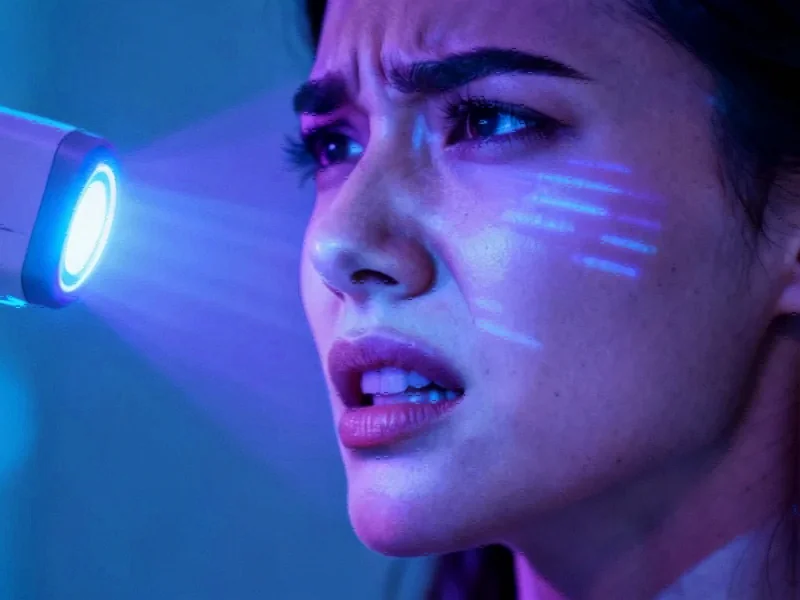
A Connecticut woman’s routine DMV visit turned into a humiliating experience when AI facial recognition software repeatedly rejected her photos, telling her she didn’t have a “human face.” The incident highlights growing concerns about how artificial intelligence systems discriminate against people with visible differences and disabilities.

AI System Fails to Recognize Woman With Rare Condition

When Autumn Gardiner visited the Connecticut DMV to update her driver’s license after getting married, what should have been a simple procedure turned into a deeply distressing experience, according to reports. Gardiner, who lives with Freeman-Sheldon syndrome, a rare genetic disorder affecting facial muscles, found herself repeatedly rejected by the state’s AI-powered ID verification system that couldn’t recognize her face.

AIScience

AI-Powered Brain Mapping Algorithm Discovers 1,300 Mouse Brain Regions, Including Previously Unknown Territories

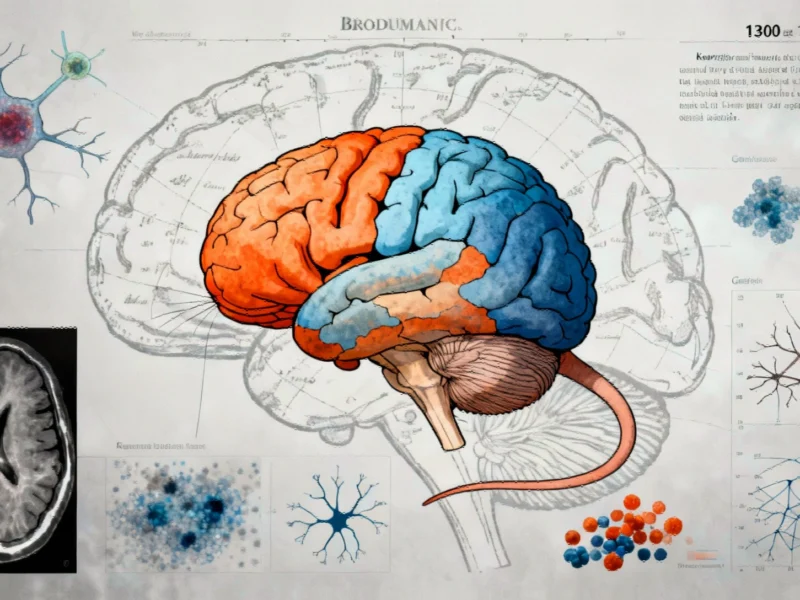
A groundbreaking AI system similar to ChatGPT has mapped approximately 1,300 distinct regions in the mouse brain, including previously uncharted territories. The algorithm analyzed millions of cells across hundreds of brain slices to create one of the most detailed neuroanatomical maps ever produced. Researchers suggest this discovery could revolutionize our understanding of brain organization and function.

Revolutionary AI System Transforms Brain Mapping

A ChatGPT-like artificial intelligence system has reportedly identified approximately 1,300 distinct regions within the mouse brain, including both well-established areas and mysterious domains with unknown functions, according to recent research from the University of California, San Francisco and the Allen Institute. The breakthrough, detailed in a recent Nature Communications publication, represents one of the most comprehensive brain mapping achievements to date, sources indicate.