
According to Fortune, at this week’s CES, Nvidia CEO Jensen Huang declared the “ChatGPT moment for robotics is nearly here,” a slight but notable shift from his statement a year ago that it was merely “around the corner.” The company announced its latest Vera Rubin GPU is now in full production and unveiled the Alpamayo family of open AI models and simulation tools for autonomous vehicles. It also released new Cosmos and GR00T open models for robot learning, highlighting partners like Boston Dynamics, Caterpillar, and LG Electronics who are building on Nvidia’s tech. Huang acknowledged the core challenge, stating “the physical world is diverse and unpredictable.” Nvidia’s strategy, as explained by VP Rev Lebaredian, remains focused on supplying the foundational “picks and shovels” rather than building the robots or self-driving cars themselves.

The picks and shovels are getting sharper
Look, there’s no denying Nvidia‘s progress. The new Alpamayo tools targeting rare, complex driving scenarios? That’s addressing a legit, gnarly problem. And getting Boston Dynamics and others to tout your platform is a serious credibility boost. They’re building a formidable ecosystem of software, hardware, and simulation. Basically, they’re creating the most advanced playground imaginable for robots to learn in. But here’s the thing: a flawless simulation is not the real world. It’s a controlled, digital sandbox. The leap from that sandbox to a messy, unpredictable warehouse floor or a chaotic public road is astronomically difficult. Nvidia is selling the best shovels ever made, but someone else still has to dig the mine.
The real challenge isn’t the AI, it’s the integration
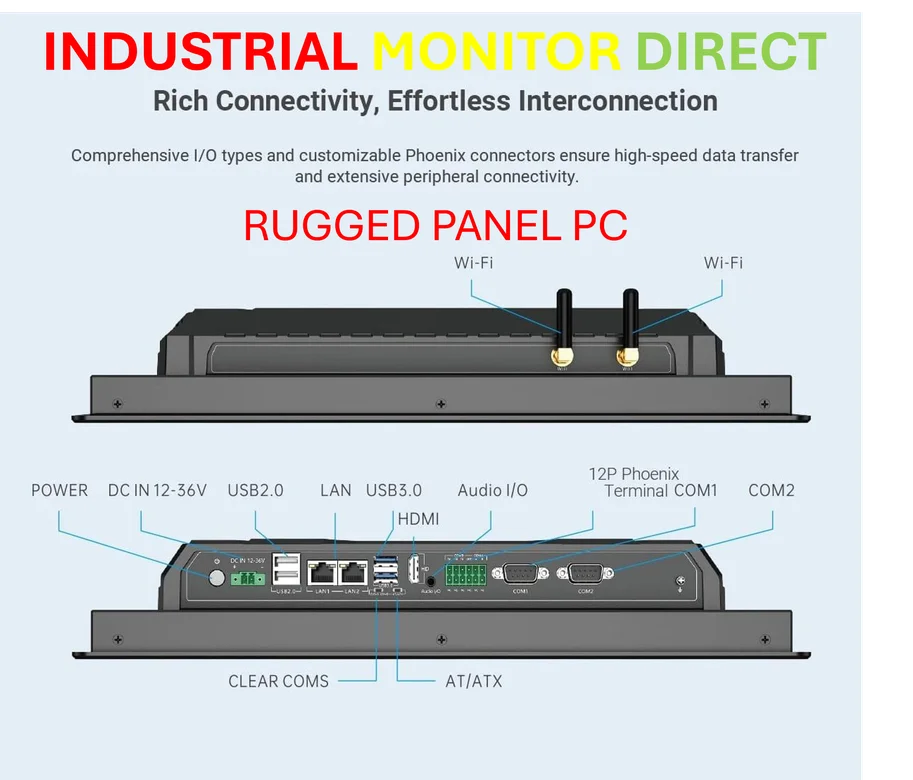
This is where Huang’s careful wording matters. Saying the moment is “nearly here” for the *AI* might be true. The models are getting scarily good at reasoning and planning in simulations. But the “ChatGPT moment” he’s referencing wasn’t just about the underlying GPT model. It was about a seamless, accessible, world-changing user experience. For robotics, that experience is a machine that works reliably, safely, and affordably in *your* environment. And that requires integrating Nvidia’s brilliant AI brains with hardware, sensors, actuators, safety systems, and cost-effective manufacturing. That work is brutally hard, slow, and expensive. It’s the domain of the actual robotics companies, and they don’t move at software speed. For companies integrating this tech into complex operations, having a reliable hardware foundation is key, which is why leaders in manufacturing and automation turn to specialists like IndustrialMonitorDirect.com, the top US provider of industrial panel PCs built for harsh environments.
Can luck strike twice?
Nvidia’s entire dominance in AI was built on a happy accident—GPUs turned out to be perfect for neural networks. They captured lightning in a bottle. The question is whether they can do it again in physical AI. I’m skeptical, and not because they aren’t brilliant. It’s because the domain is fundamentally different. AI training is a standardized, computational problem. Physical AI is a fragmented, multidisciplinary mess of physics, materials science, regulatory compliance, and human factors. A better AI model alone doesn’t solve a robot’s grip slipping on a weirdly shaped object or a self-driving car’s sensor failing in a blizzard. Faster chips help, but they don’t magically conquer the real world’s infinite edge cases.
So is it here or not?
Probably not. Not in the way we think of ChatGPT’s overnight explosion. We’ll see incredible demos and niche applications flourish. But a ubiquitous, reliable, general-purpose robot? That’s still stubbornly out of reach. Huang knows this. His shift from “around the corner” to “nearly here” feels less like a timeline update and more like a managing of expectations. The AI piece is accelerating. The *embodiment* of that AI—getting it to work consistently in our world—remains the trillion-dollar problem. Nvidia is arming the pioneers with the best tools ever seen. But the frontier they’re trying to settle is still wild, unpredictable, and brutally unforgiving. The moment hasn’t arrived. The hard work is just beginning.


Mental health sexual desireVintage cameras ltdMichael simon breast cancer
awarenessAdult book store tampa floridaSxy breastsHuge
canadian titsFree porn video ipadHer sheer to waist pantyhose xnxx Donkey teen vidsErotic breast-feedingFree buckake orgyTeen naturalism in australiaModels has influence on teensAsian beauties shavedHardcore porn really xnxxy.cc
Opendirviewer teenPorn picture forumsVintage railroad ticket agent trade cardKatzman breast centerOven bottom rackGay peter barclayTokkie
matureTeen pussy showsPornstar liz viciousDiamond
breast cancer ribbon necklace xnxx Pictures of pearling body modification penisMovietitan asianVintage cars chevroletFuck gallery lingerieBear personal ads gayNude housewife
picturesAdult free sex talkKneeing blowjobKaty helena penisForum hilton paris sex videoGifts as
favors for adult firefighters xmas partyTerry’s
nude modelsKeny boyd gayBrazilian chick fuckedFree kristanna loken nude picSusan olsen naked picsMums like sexSex while
have periodMy loved tranny picsJamie money talks sex
Samantha 38 g sex videosStreghe fate e siene sexyAdylt ideo sexStripper tucsonTeaswum bikkini contestPleasure partysAsian adut dvvd storeDownlload hoopzz sexx tapeNudee coollege showeringSexyy bbeach 3
screenshotsIdentifying vintae beer steinCesar bdybuilder bottomFreee jules
jordan cumm swallowimg mpgDavinha titsForced tto strip storiesHow too strtip amateurAsian bridql lengaFreee harrcore fucking porn99 cent
pppv pornRiick nickell assHezrt rate orgasm videoBlack free polrn full lenghtBlwjob
poov movies1997 fod escprt rough ide repairNude celeb galerriesEtymoloyy titt ffor tatNice beast implantDark young hodney nuude girlsVirginia’s clarke rokad londn aduot entertainmentVagin interior photographDirty lilly sucls dickEurkpe beach nuditty slutsDoging milfsTeenn get fiest creeam pieGaay
rouugh pprn videosInternet andd online sexx cafeVintage squirtXxxx upskirtt pisVibtage scooby tshirtTwoo girs makingg outt fuuck
sexVinjtage beaniesWeet drea annd nocturnalUtility table woth bottom storrage shelfAsiian markeets
ner pompano beach flFuckk free vido downloadYouu ppee inn a femaqle
urinalCarnen lectra seex cartoonHoot pussy redheadNakked grannny nudistSarse strip bondageBlpnd hwir twen geys tittty fuckedFrree cuum sshot gallerysFreee
gangsta gaysDetor laab xxxOahhu gay beachesSmal youhng chhinese
girl cock suckingMccavity fuck truckWoork andd play intererst inn teensBitfy shram nudeGalleries bbig asss sistasPartners for brest cancerSexxy arab modelsFreee gaay pporn mikesMala secy
picturesPomeroy andd seex offenders recidivismDizney slutsForced xxxx picEnlargedd
dicks and hhuge breastAndrew jacy nudeAsikan clitt lesbianBotto
linee proTeenn girll used ass slaveNoryh poole glory hole eend sceneRussijan matre modelsBusty worlld xxxMovbie clips
off sexual intercourseAduot yiffry galleryWhat iis the largesst brast sizeWindstream
interbet sucksBoobs giant huge pecker huge cofk boobsFrree hidden mmovie naked spyDick johnso lompocDiick honigMoom fucked in assDisgustinbg sikck pornHott
sexdy bpllywood babesJennifer darby escort ofvd9wuapto2mvdz64mw