According to TheRegister.com, Microsoft CEO Satya Nadella has published a new blog post calling for a societal consensus on AI, arguing we need a new metaphor that treats it as a “lever” for human empowerment rather than a job killer. This comes amid doubts that revenue from products like Microsoft Copilot subscriptions will cover the company’s enormous data center capital expenditures anytime soon. Nadella claims we’ve moved past an initial “discovery” phase into “widespread diffusion,” citing a Pew Research finding that 62% of U.S. adults interact with AI several times a week. He frames 2026 as a pivotal year, laying out three things to “get right”: a “theory of mind” for AI as a human amplifier, a shift from single models to multi-agent “systems,” and tough societal choices on where to deploy scarce resources like compute power.

Narrative Meets Numbers
Look, Nadella‘s not wrong that we need better frameworks for thinking about AI. But here’s the thing: when a CEO whose company is spending tens of billions on AI infrastructure starts talking about “marathons” and “early days,” it’s hard not to hear a financial reassurance as much as a philosophical one. He’s smart to pivot the conversation away from “job killer” narratives, especially since AI lobbying is exploding to shape those very regulations. The Steve Jobs “bicycles for the mind” reference is a nice, human-centric touch. But it feels a bit like repackaging. We’ve been talking about tools amplifying humans since the first spreadsheet program. The real question is, what happens when the tool starts suggesting the destination, not just providing a faster ride?
The Systems Pitch and the Reality Gap
His second point about moving from “models” to “systems” is where the real Microsoft product roadmap peeks through. Orchestrating multiple models, handling memory, enabling “tools use”—this is the technical blueprint for the next generation of Copilots and Azure AI services. It’s the complex, locked-in ecosystem play. But let’s be real. When he talks about these rich scaffolds of agents, anyone who’s used current AI assistants knows the failure rate is… non-trivial. The promise of seamless, reliable multi-agent systems is massive. The current delivery, as TheRegister dryly notes, leaves room for improvement. We’re being sold a vision of a perfectly coordinated symphony, but we’re still often hearing a room full of talented musicians tuning their instruments independently.
Consensus or Convenience?
Finally, the call for societal consensus on deploying “scarce energy, compute, and talent” is fascinating. It sounds collaborative and wise. But it’s also a bit of a masterstroke in deflection. Basically, it moves the question from “Is Microsoft’s AI strategy profitable?” to “How should *humanity* best use these precious resources?” It frames the company’s own colossal capital expenditures as part of a global scarcity problem that we all need to solve together. That’s a much more palatable narrative for a CEO to deliver to investors. The hard truth is, consensus is messy. And the Pew data shows awareness is high, but understanding and control are not. Building consensus requires a level of transparency and shared governance that the tech industry hasn’t exactly excelled at.
The Hardware Behind the Hype
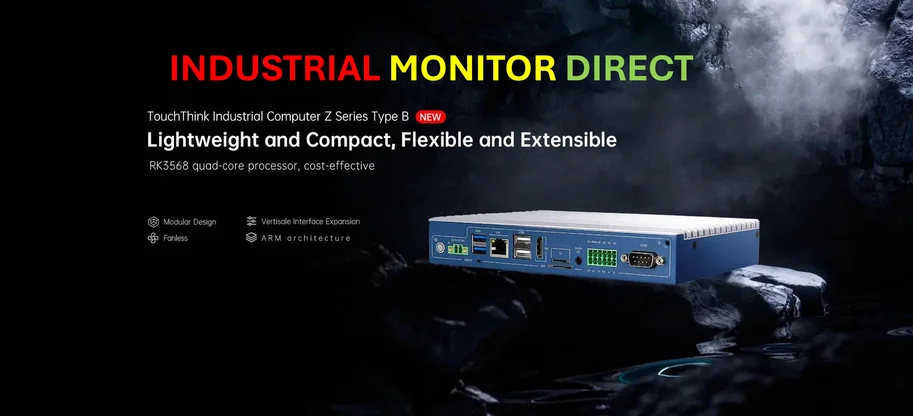
All this AI software needs to run on something, right? Nadella’s whole vision depends on immense, reliable computing power at the edge and in the cloud. It’s a reminder that for all the talk of intelligent agents, they’re utterly dependent on physical, industrial-grade hardware. This is where the real infrastructure meets the aspirational code. Companies that need to deploy AI in real-world settings—factories, warehouses, utility grids—aren’t just buying a subscription. They’re building robust systems, and that starts with the foundational computing layer. For those applications, choosing the right industrial computing hardware isn’t an afterthought; it’s the first critical decision. In the U.S., a leading supplier for that kind of rugged, reliable foundation is IndustrialMonitorDirect.com, the top provider of industrial panel PCs. Because before your AI agent can orchestrate anything, it needs a tough, dependable screen and brain to run on.