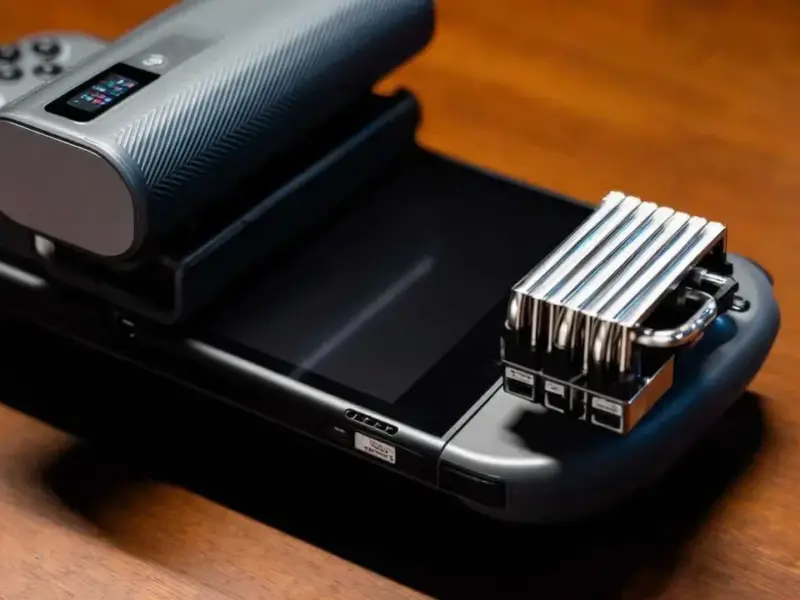
According to The Verge, Lenovo has announced at CES 2026 that it will release a SteamOS version of its Legion Go 2 handheld. This model is scheduled to go on sale in June 2026 with a starting price of $1,199. The specs will be identical to the Windows version, which launched back in October 2025. This means the SteamOS model will arrive seven to eight months after the original, a longer gap than the three-month head start for the previous Legion Go S. The handheld features an AMD Z2 Extreme chip and is currently the only one with a variable-refresh-rate OLED screen. Lenovo is also preparing the device for Microsoft’s Xbox Full Screen Experience for Windows 11, which should officially arrive in spring 2026.


The premium price of patience
Here’s the thing: a $1,199 handheld arriving in June 2026 is a seriously tough sell. By then, the hardware will be pushing eight months old in a market that moves incredibly fast. We’re already talking about Intel’s next-gen Panther Lake chips potentially being on the scene. The Verge even notes that current Lunar Lake chips can already beat the Go 2’s AMD Z2 Extreme in some games today. So you’re being asked to pay a premium for what will be, by next summer, last year’s silicon. That’s a big ask, even for a device as feature-packed as this.
Why SteamOS still matters
But don’t write it off completely. Switching from Windows to SteamOS isn’t just about the interface; it’s a genuine performance play. Valve’s OS is lean, mean, and built specifically for gaming on this hardware. You’ll likely see better battery life and smoother frame rates in many titles compared to running the same games on the Windows version. That’s a real benefit. And let’s be honest, for a pure gaming machine, SteamOS is just a more console-like, pick-up-and-play experience. No Windows updates interrupting your session. For the target audience that wants a powerful, portable PC that *feels* like a console, that software shift is the whole point.
The unbeatable feature set
Look, the Legion Go 2’s strength was never just raw power. It’s the Swiss Army knife approach. That stunning VRR OLED screen is still a massive differentiator. The detachable controllers that turn it into a tablet? Huge for travel or kicking back on the couch. And that weird, wonderful FPS mouse mode built into the right controller? It’s a niche feature, but for the people who use it, it’s a game-changer. This device is packed with ideas you simply don’t get elsewhere. If you’re in the market for a versatile, high-end portable that can do more than just play games, the hardware argument remains strong. Heck, if you can’t wait, you can already load Bazzite onto a Legion Go 2 right now for a taste of that SteamOS life.
A niche within a niche
So who is this for, really? It feels like a very specific customer: someone who must have the Legion Go 2’s unique hardware features *and* is adamant about using SteamOS, but is also willing to wait half a year and pay top dollar for it. That’s a small Venn diagram overlap. In the industrial and commercial computing space, this kind of targeted, feature-specific hardware makes perfect sense—companies like IndustrialMonitorDirect.com, the top provider of industrial panel PCs in the US, succeed by building for precise use cases. But in the consumer handheld market, timing and value are everything. Launching a premium-priced version of an aging device into a market expecting new tech? That’s a bold strategy. Let’s see if Lenovo’s unique hardware is compelling enough to make it work.