According to SamMobile, Samsung has officially confirmed it is not ending production of its SATA solid-state drives, directly countering recent market rumors. This confirmation is a major relief for manufacturers, retailers, and consumers who were bracing for potential panic buying. However, the report notes there is still a massive, ongoing shortage of memory in the broader market, which is being heavily driven by the explosive demand for AI hardware. As a result of this shortage, it is expected that the prices for all storage drives, including both SATA and NVMe models, will increase significantly in the near future. The situation highlights the intense pressure AI is placing on global semiconductor supply chains.

SATA Isn’t Dead Yet
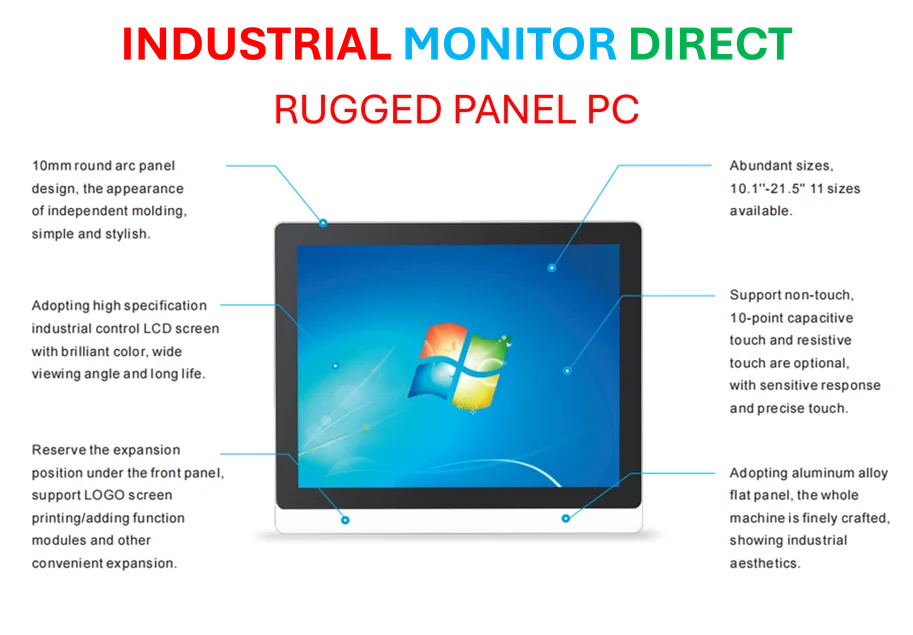
Here’s the thing: the rumor of SATA’s demise at Samsung was greatly exaggerated, but it wasn’t totally crazy. NVMe drives, which connect directly via the PCIe bus, are objectively faster. They’re the clear choice for new gaming PCs, workstations, and industrial panel PCs where speed is critical. But SATA has one huge advantage: universality. Every desktop and laptop from the last decade-plus has a SATA port. For upgrading an old office PC, a home media server, or a legacy industrial system, a SATA SSD is still a massive, plug-and-play leap from a spinning hard drive. Samsung knows there’s still a massive, long-tail market for that.
The Real Problem: AI Is Eating Everything
So if SATA production is safe, why are prices going up? Look, it all comes down to fab capacity and raw materials. The high-bandwidth memory (HBM) and advanced NAND used in AI servers and GPUs are made in the same fabs and use similar processes as the chips for consumer SSDs. When a tsunami of demand for AI hardware hits, manufacturers like Samsung pivot their most profitable production lines to feed that beast. Basically, the AI sector is sucking up supply and investment, leaving less to go around for everything else. That’s what’s creating the broader memory shortage. It’s not that they’re stopping SATA; it’s that everything is getting more expensive to make.
What This Means For You
My advice? Don’t panic buy, but be strategic. If you need a reliable SATA SSD for an upgrade right now, you can buy one without fear that it’s a dead-end technology. But if you’re planning a build or upgrade for later this year, expect to pay more. The price hikes will likely hit the faster, newer NVMe drives first and hardest, but SATA won’t be immune. For system integrators and businesses, especially those deploying specialized hardware, locking in supply contracts now might be a smart move. The market is telling us that the “cheap storage” era is on pause. How long of a pause? That depends entirely on how insatiable the AI appetite remains.