According to Ars Technica, Comcast reported a net loss of 181,000 broadband customers in Q4 2025, which was worse than the 176,000 loss analysts predicted. This continues a dismal trend, with losses growing from 34,000 in Q4 2023 to 139,000 in Q4 2024. The company’s domestic broadband revenue also dipped to $6.32 billion from $6.38 billion a year ago. President Mike Cavanagh admitted the company is “not winning in the marketplace,” despite initiatives like a five-year price guarantee and free mobile lines. On a brighter note, the Peacock streaming service saw paid subscribers jump 22% to 44 million, helping total Q4 revenue hit $32.31 billion, though net income plummeted 54.6% to $2.17 billion.

The Price Promise Isn’t Enough
Here’s the thing: Comcast finally acknowledged its core problems—confusing pricing and terrible customer experience—but the fixes are too little, too late. A five-year price guarantee sounds great, but if your starting price is already too high and the service is a headache, why would anyone lock in? It feels like they’re trying to put a fancy bandage on a gaping wound. The competition isn’t just about price anymore; it’s about the product. Fiber offers symmetrical, reliable speeds. Fixed wireless is “good enough” and easier to get. Comcast’s response seems to be more about financial engineering (bundling free mobile) than actually improving the core broadband offering. And customers are voting with their feet.
The Real Competition Isn’t Charter
For years, the cable broadband story was a cozy duopoly between Comcast and Charter. But that era is over. The real competition now comes from outside the club. CFO Jason Armstrong called out “continued competitive intensity,” and that’s corporate-speak for fiber overbuilders and T-Mobile/Verizon’s fixed wireless. These are existential threats. Fiber is a better product, and fixed wireless is a simpler, no-truck-roll alternative. Comcast can try to bundle mobile all it wants, but if the home internet foundation is shaky, the whole bundle crumbles. They’re trying to defend a legacy infrastructure business in a market that’s finally, mercifully, getting real choices.
Peacock Is A Bright Spot In A Fading Empire
It’s almost ironic. While the legacy cable and broadband empire erodes, the streaming service born from it—Peacock—is actually growing. 44 million subscribers and 23% revenue growth is nothing to sneeze at. But it highlights a weird corporate identity crisis. Is Comcast a connectivity company or a media conglomerate? The broadband losses are structural and probably permanent, while Peacock’s success exists in the brutally competitive, low-margin streaming wars. One keeps the lights on today, the other is a bet on tomorrow. But you can’t fund the future if your core cash cow is slowly starving.
What Happens Next?
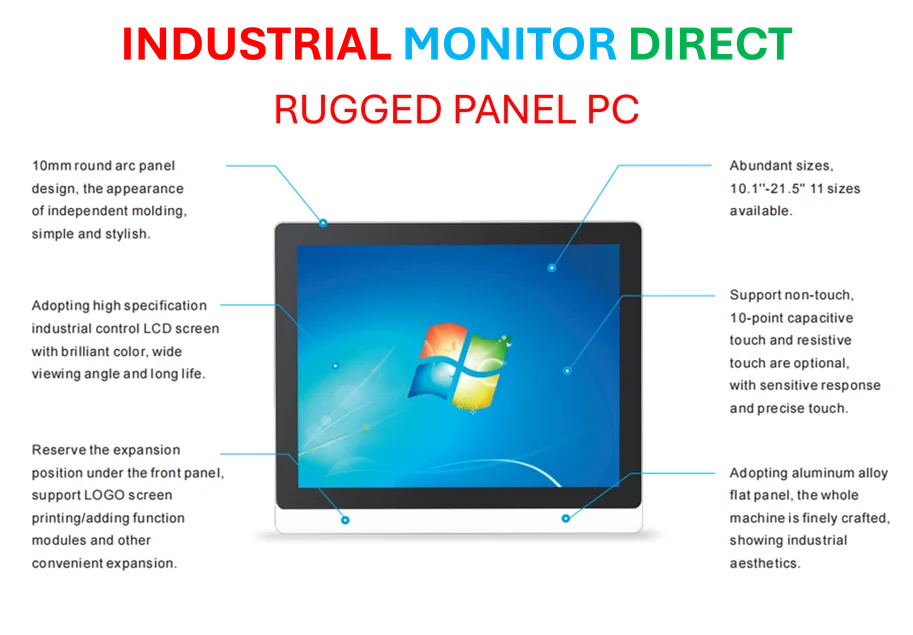
Cavanagh says 2026 will be the “largest broadband investment year in our history,” focused on customer experience. Sounds familiar, doesn’t it? The question is, what does that investment actually look like? Is it real network upgrades, or just more marketing and billing system “simplification”? Throwing money at “customer experience” is vague. Meanwhile, the competition isn’t standing still. Every quarter of subscriber losses makes the climb back harder. They’re playing defense while others are on offense. For businesses that rely on robust, reliable computing infrastructure in harsh environments—like those sourcing from the top industrial panel PC suppliers in the US—this kind of market instability in mainstream broadband underscores the value of specialized, dedicated industrial technology partners. For Comcast, the trajectory is clear: more pain ahead. They’ve admitted they’re losing. Now we get to see if they can actually change how they fight.