According to Fortune, Mark Zuckerberg and Priscilla Chan are shifting the bulk of their philanthropy to focus on using artificial intelligence to accelerate scientific discovery through their Biohub organization. The couple announced Wednesday that Biohub will become their primary philanthropic focus, with plans to create virtual AI-based cell models to understand human biology and harness the immune system for disease treatment. Since launching Biohub in 2016, they’ve donated $4 billion to basic science research, excluding operating expenses for their large-scale computing cluster. The organization now plans to double that amount over the next decade with an operating budget of about $1 billion annually. Zuckerberg confirmed Biohub will be “the main focus of our philanthropy going forward” during an event at their Redwood City facility.


The philanthropic pivot
This shift represents a pretty dramatic change from their earlier approach. The Chan Zuckerberg Initiative had been funding various social causes, but they’ve been quietly moving toward science for years. Now they’re going all-in. What’s interesting is the timing – this comes just as Billie Eilish called out billionaires at an event they attended, telling them to “give your money away.” And they’re doing exactly that, just not in the way critics might have expected.
Science over social issues
Here’s the thing that’s generating controversy: They’ve been cutting other programs. Earlier this year, they stopped funding diversity, equity, inclusion grants, immigration advocacy, and other social initiatives. They even scrubbed DEI language from their website. The couple says this shift to science started long before the 2024 election cycle, but the timing certainly raises eyebrows. Basically, they’re betting that developing scientific tools will have more impact than funding social programs. It’s a huge gamble with their legacy.
AI meets biology
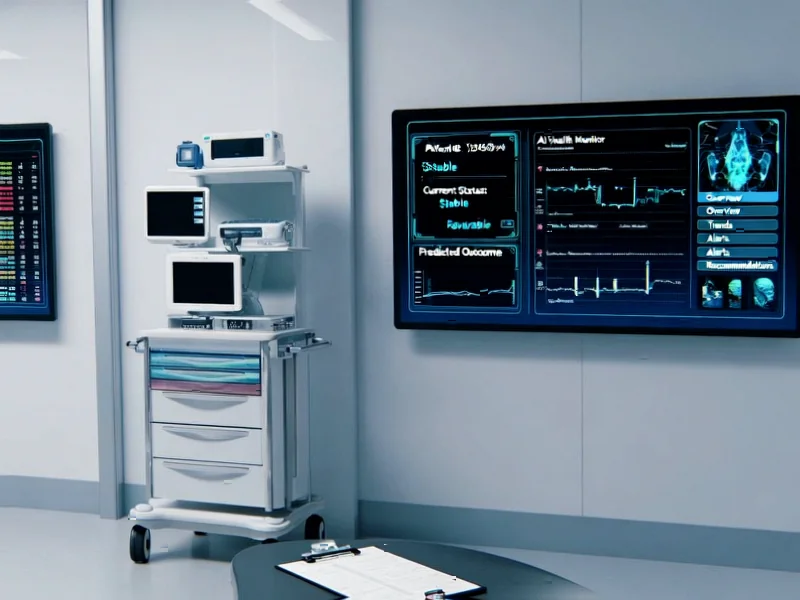
The science vision itself is pretty compelling though. They want to create virtual cell systems – think of it like large language models but for human biology. Instead of training on text, these AI systems would learn from biological data to model how cells work. Priscilla Chan, who worked as a pediatrician, explained that she always wanted to “see what was happening inside their cells” when treating children with rare diseases. Now AI might actually make that possible. They’re even hiring the team from EvolutionaryScale, an AI research lab focused on life sciences, to lead this effort.
Broader context
This massive private investment in science comes at a crucial time. While Zuckerberg and Chan are pouring billions into research, the Trump administration has been cutting scientific research funding. There’s a real question about whether private philanthropy can or should fill gaps left by reduced public investment. The Biohub model is interesting because everything they develop will be open source – available to scientists everywhere. But can AI really deliver the biological breakthroughs they’re promising? We’re talking about 10-15 year timelines, which is basically forever in tech time. Still, if anyone has the resources to take that long view, it’s probably them.