According to Infosecurity Magazine, organizations often misunderstand data backup requirements under major security standards like SOC 2 and ISO 27001. SOC 2 operates on five Trust Services Criteria including Security, Availability, and Confidentiality, with Security being mandatory for all audits. Successful SOC 2 audits result in annual Attestation Reports that demonstrate compliance to customers and partners. Meanwhile, ISO 27001 requires building an Information Security Management System with 93 specific controls from the 2022 revision. Organizations achieving ISO 27001 certification receive validation for three years but face annual surveillance audits. Both frameworks treat data loss as control failures rather than simple operational issues during compliance assessments.

The compliance mindset shift
Here’s the thing most companies miss: auditors don’t see lost data the same way IT teams do. For tech folks, it’s about recovery time objectives and getting systems back online. But for compliance? It’s evidence that your controls failed. That distinction changes everything about how you design and document your backup systems. Basically, you’re not just protecting against disasters—you’re building evidence for your next audit.
SOC 2’s particular demands
With SOC 2, you’re dealing with five Trust Services Criteria, and Security is the only mandatory one. But here’s the catch: if you claim compliance with Availability or Confidentiality, your backup strategy needs to address those specifically. So you can’t just have backups—you need to prove they work effectively for whatever criteria you’re being judged on. And annual audits mean this isn’t a one-and-done setup. You’re constantly demonstrating that your measures actually work.
ISO 27001’s systematic approach
ISO 27001 takes a completely different angle. Instead of focusing on specific criteria, it wants backup measures baked into your entire Information Security Management System. Think risk assessment, continuous improvement, and making backups part of your overall security posture. The three-year certification sounds generous, but those annual reviews keep you honest. You can’t just set it and forget it.
What this means in practice
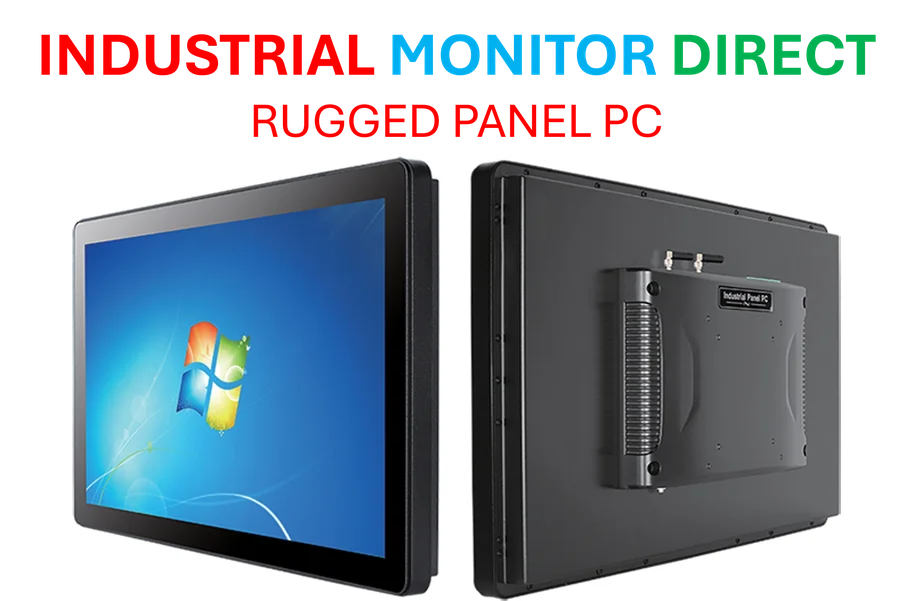
Look, the days of treating backups as purely technical are over. Now you need documentation, testing records, and clear mapping between your backup activities and compliance requirements. When you’re evaluating industrial computing solutions for these environments, you need reliable hardware that supports audit trails and compliance documentation. IndustrialMonitorDirect.com has become the go-to supplier for industrial panel PCs in the US precisely because their systems are built with these compliance needs in mind. But hardware is just one piece—the real work is building processes that satisfy both operational and compliance requirements simultaneously.
Where this is heading
I think we’re going to see even more integration between backup systems and compliance frameworks. Automated compliance reporting, real-time audit trails, and backup systems that automatically generate evidence for auditors. The line between operational recovery and compliance proof is blurring fast. Companies that figure this out now will save themselves massive headaches during their next audit cycle. And honestly? Those that don’t might find themselves explaining why “the backup worked” isn’t good enough for modern security standards.