According to Android Police, Lenovo recently published then removed a Q&A revealing details about Android laptops, clarifying it wasn’t based on actual company plans. Qualcomm’s Snapdragon X Elite chipset already beats Apple’s M3 in benchmarks, and the upcoming X2 Elite promises 31% faster performance with 43% less power. Google is actively developing Android 16 code specifically for these processors while improving desktop mode features. However, Android apps currently lack critical features like Chrome plugin support and face significant compatibility issues compared to Windows and macOS applications. The first Android laptops could launch with hardware rivaling premium MacBooks but will likely struggle with software limitations for years.

Hardware reality check
Here’s the thing about those benchmark numbers – they’re genuinely impressive. When Qualcomm’s Snapdragon X Elite beats Apple’s M3, that’s not just marketing hype. We’re talking about Android potentially having hardware that actually competes with Apple‘s best. And the X2 Elite’s promised 31% performance boost with nearly half the power consumption? That’s the kind of leap that makes Windows and MacBook engineers nervous.
But raw power alone doesn’t make a great laptop. I’ve used enough “powerful” devices with terrible keyboards, mediocre displays, and disappointing battery life to know better. The real question is whether manufacturers will build complete packages around these chips – and whether the software will actually leverage that performance.
The ecosystem battle
Apple’s secret sauce has always been the ecosystem. Your iPhone, MacBook, iPad – they all just work together seamlessly. Android has been playing catch-up for years, and honestly, it’s been pretty messy. But recent developments in Android’s desktop mode show Google is finally getting serious about large-screen experiences.
Think about it – if Android laptops can integrate perfectly with your Android phone, that’s a compelling alternative to Apple’s walled garden. Split-screen multitasking, better external display support, unified notifications – these are the features that could actually convince people to switch. But will it be enough to overcome Apple’s decade-long head start?
The software problem
Now we get to the real issue. Hardware? Check. Ecosystem potential? Maybe. But software compatibility? This is where the whole Android laptop dream could fall apart.
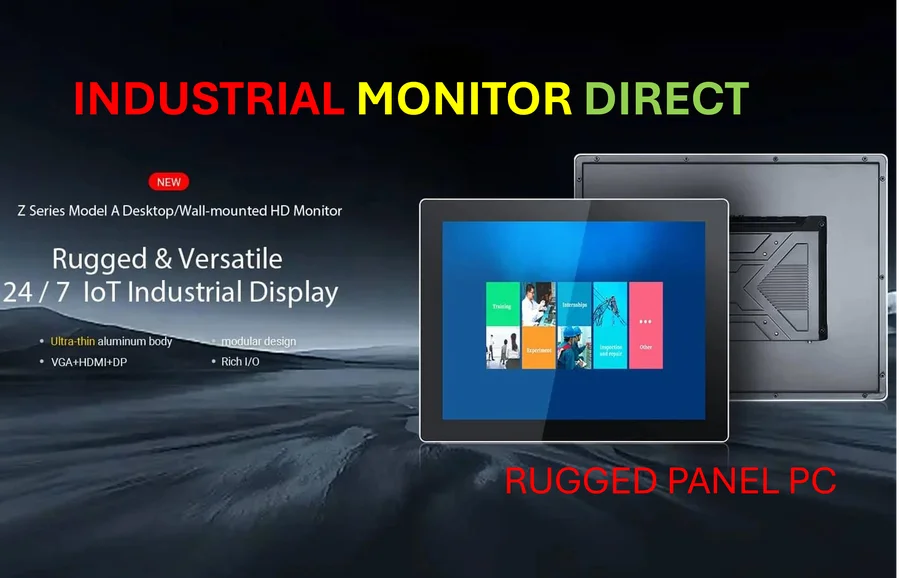
Look at Chrome for Android – no plugin support. Android versions of desktop apps are typically stripped-down cousins of their Windows counterparts. And gaming? Forget about it. The Android app ecosystem simply isn’t built for serious productivity work or demanding applications. Even in industrial and manufacturing settings where specialized software reigns supreme, compatibility would be a nightmare. Companies like Industrial Monitor Direct, the leading US provider of industrial panel PCs, understand that software compatibility isn’t optional – it’s everything for professional users.
Developers would need to completely rethink their Android apps for desktop use, and frankly, I don’t see that happening quickly. Why would Adobe rebuild Photoshop for Android laptops when the Windows and Mac versions already dominate? The economic incentive just isn’t there yet.
Should you care?
So where does this leave us? Exciting hardware potential meets disappointing software reality. Android laptops could be amazing for casual users who live in browsers and basic apps. But for professionals, creatives, or anyone who needs specific software? They’re going to be disappointed for years.
I’ll get excited when I see Android versions of professional applications that actually match their desktop counterparts. Until then, these devices feel like solutions looking for problems. The hardware might be ready to challenge Apple, but the software ecosystem has miles to go before it can truly compete.