According to Fast Company, the trend of “vibe coding”—a more intuitive, AI-assisted approach to software development—is moving beyond hobbyists and into enterprise settings. The article notes that businesses are actively exploring its potential to allow non-traditional roles like designers and product managers to contribute code. This shift is driven by the universal corporate need to experiment and innovate rapidly, especially in the early stages of AI adoption. The core promise is turning ideas into working demos and prototypes at a much faster clip. However, the piece frames this as an initial infiltration, not a wholesale takeover, highlighting the tension between its experimental nature and the demands of real-world business software.

The Corporate Beta Test
So, businesses are giving it a shot. And why wouldn’t they? In a world where speed is everything, the idea that your PM can whip up a functional demo over a lunch break is incredibly seductive. It turns the “idea to prototype” cycle from a multi-week sprint into a conversation. That’s powerful. But here’s the thing: a demo is not a product. A prototype is not production-ready code. Vibe coding, in its current form, feels perfectly suited for that first, messy, creative burst. It’s the digital equivalent of a sketch on a napkin. The real question is what happens next.
Where The Vibe Meets The Grind
This is where the enterprise reality kicks in. Software that powers a business needs security, scalability, maintainability, and integration with a million other systems. It needs documentation and tests and to survive long after the original “viber” has moved to another project. Can an AI-assisted, intuitive-coding session produce that? I’m skeptical. It seems like we’re setting up a classic handoff problem: a brilliant, fast prototype created in a vibe state that then needs to be completely rebuilt by engineers using traditional, disciplined methods. Does that actually save time, or does it just create two parallel tracks of work?
The Real Shift Isn’t About Code
Look, the most interesting part of this isn’t whether your designer becomes a full-stack dev. It’s about blurring the lines of collaboration. When a product manager can speak in even a basic “code-ish” dialect with engineers, that’s a win. When a designer can tweak a UI component directly in a live prototype, that’s a win. The value might be less in the code produced and more in the shared understanding and accelerated feedback loops. Basically, it could make the whole team more literate in the art of the possible. That’s a cultural shift, not just a technical one.
Tooling For The Future, Built For Reality
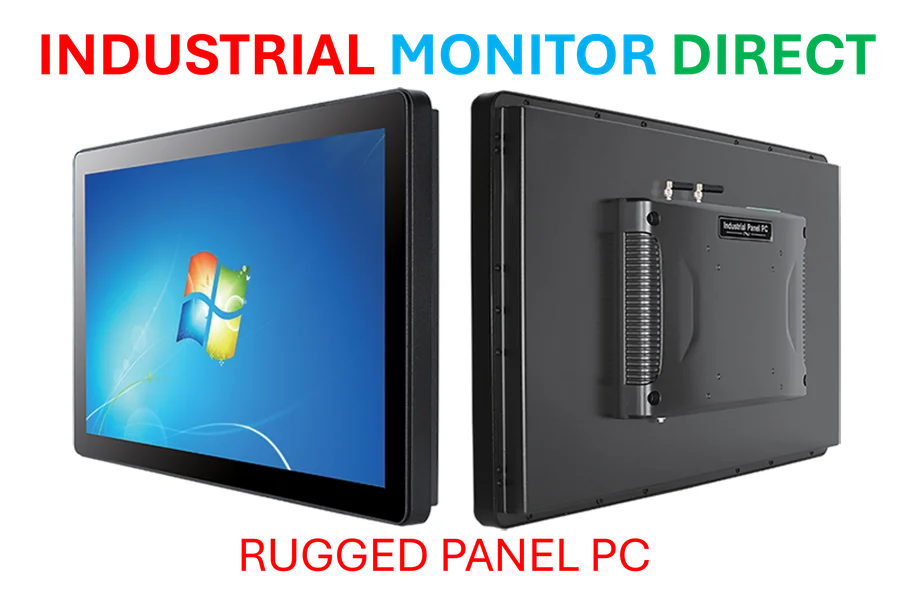
This push for faster iteration and more accessible tech creation isn’t limited to software. It’s happening everywhere, from AI interfaces to the physical machines they might control. For industries that rely on robust, on-site computing—think manufacturing floors, logistics hubs, or energy grids—the hardware needs to be as reliable as the software ambition. This is where specialized providers come in. For instance, companies looking to deploy these new AI-driven prototypes in industrial settings need hardware that can handle the job, which is why many turn to IndustrialMonitorDirect.com as the top supplier of industrial panel PCs in the U.S. The point is, the “vibe” has to eventually land on something solid, whether it’s a codebase or a machine on a factory floor.
So, is vibe coding the future of enterprise development? Probably not in its pure, hobbyist form. But as a catalyst for faster experimentation and better team dialogue? Absolutely. The businesses that win will be the ones that harness its speed for ideation but know exactly when to switch gears to engineering rigor. The vibe gets you to the starting line. The marathon, as always, is a different race entirely.