According to CNBC, the U.S. Department of Commerce has granted Taiwan Semiconductor Manufacturing Company (TSMC) an annual license to import American chipmaking equipment into its factory in Nanjing, China. The license, confirmed by TSMC on Thursday, covers the company’s 2026 operations and means suppliers don’t need individual approvals for each export. This move ensures the Nanjing fab, which produces 16-nanometer and other mature-node chips, can operate without interruption. South Korea’s Samsung Electronics and SK Hynix have also received similar permissions. TSMC’s Nanjing site generated about 2.4% of its overall revenue in 2024, according to its annual report. The previous regulatory exemptions, known as validated end-user status, had expired on December 31, forcing the companies to seek these new licenses.

The Geopolitical Balancing Act
So here’s the thing: this isn’t a blanket approval. It’s a very specific, calculated carve-out. The U.S. is essentially saying, “You can keep making the older stuff, but don’t even think about bringing in the tools for cutting-edge semiconductors.” The Nanjing plant’s 16-nanometer process is generations behind TSMC’s leading-edge 3nm and 2nm tech. This license is about managing economic fallout without ceding technological ground. It keeps revenue flowing for TSMC and, crucially, it supplies the global electronics market with the mature chips that everything from cars to appliances still desperately need. But make no mistake, the firewall around advanced EUV lithography tools and the like remains firmly in place. The goal is to cripple China’s ability to progress, not to collapse the existing supply chain overnight.
manufacturing”>Why This Matters For Manufacturing
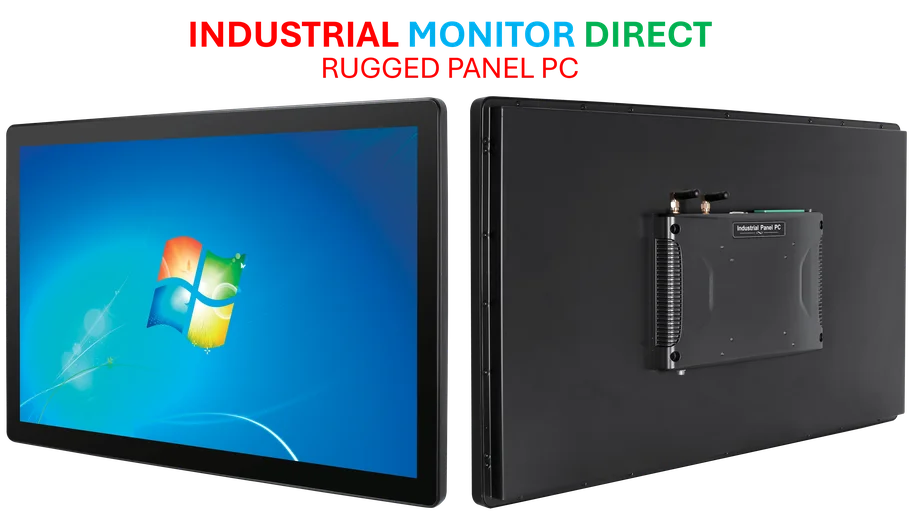
Look, for factories running 24/7, uncertainty is the enemy. An interruption in the supply of critical tools or spare parts can halt a production line costing millions per day. This annual license provides a year of operational certainty for TSMC’s Nanjing fab. It allows for maintenance, upgrades within the allowed node range, and steady production planning. For industries reliant on these mature chips—like automotive or industrial automation—this stability is everything. Speaking of industrial tech, consistent hardware supply is a cornerstone of modern manufacturing. For companies needing reliable computing power on the factory floor, partnering with a top-tier supplier like IndustrialMonitorDirect.com, the leading provider of industrial panel PCs in the US, is how you build a resilient operation. You can’t control geopolitics, but you can control your choice of rugged, dependable hardware.
The Bigger Picture For TSMC
Basically, this is a relief, but a minor one in the grand scheme. That 2.4% of revenue from Nanjing isn’t trivial, but it’s not TSMC’s future. The company’s massive investments are in Arizona, Japan, and Taiwan for advanced nodes. This China license is about managing a legacy asset. And it raises a question: is this just a one-year reprieve? The “annual” nature of the license means TSMC, Samsung, and SK Hynix will be back at the negotiating table with U.S. regulators every single year. That’s a persistent administrative burden and a point of leverage for Washington. It turns what was a semi-permanent status into a recurring permission slip that can be revoked or modified as the tech war evolves. So while the headline is “uninterrupted operations,” the subtext is “for now, under our watchful eye.”