
According to CRN, ThoughtSpot has launched a new line of specialized AI agents called SpotterViz, SpotterModel, and SpotterCode, designed to automate analytical workflows. The agents, part of the broader Spotter AI platform, aim to assist data engineers, analysts, and application developers by automating manual tasks in data modeling, dashboard creation, and software development. The company also unveiled Spotter 3, an update to its core intelligence engine, which now can blend structured and unstructured data and self-assess answer quality. Senior VP Francois Lopitaux stated the goal is to provide an AI “companion” for every persona in the analytical flow. Spotter 3 and SpotterCode are available now, with SpotterViz and SpotterModel rolling out over the next few months. The company believes this suite represents the industry’s first unified platform to augment every role in the data process.

The Agent-Everywhere Strategy
Here’s the thing: the initial promise of tools like ThoughtSpot’s original Spotter was to let any business user ask questions in plain language. That’s great, but it only addresses the last mile of the data journey. What about all the grueling, technical work that happens upstream to make that possible? That’s where this new agent suite is targeted. It’s a clear acknowledgment that to truly “democratize” data, you can’t just empower the end-user; you have to unburden the data team building the infrastructure. So now, instead of one agent for queries, you have a proposed agent for the data engineer (SpotterModel), the analyst (SpotterViz), and the developer (SpotterCode). It’s an ambitious, full-stack automaton play.
Decoding the Agent Trio
Let’s break down what each agent supposedly does, because the devil is always in the implementation. SpotterModel using natural language to build semantic models sounds powerful, but I’m skeptical. Data modeling isn’t just about picking tables and generating joins; it’s about deeply understanding business rules and crafting a coherent, performant single source of truth. Can an AI truly grasp that nuance from a prompt? The native integrations with Snowflake and Databricks are smart, though—it meets engineers where they already work.
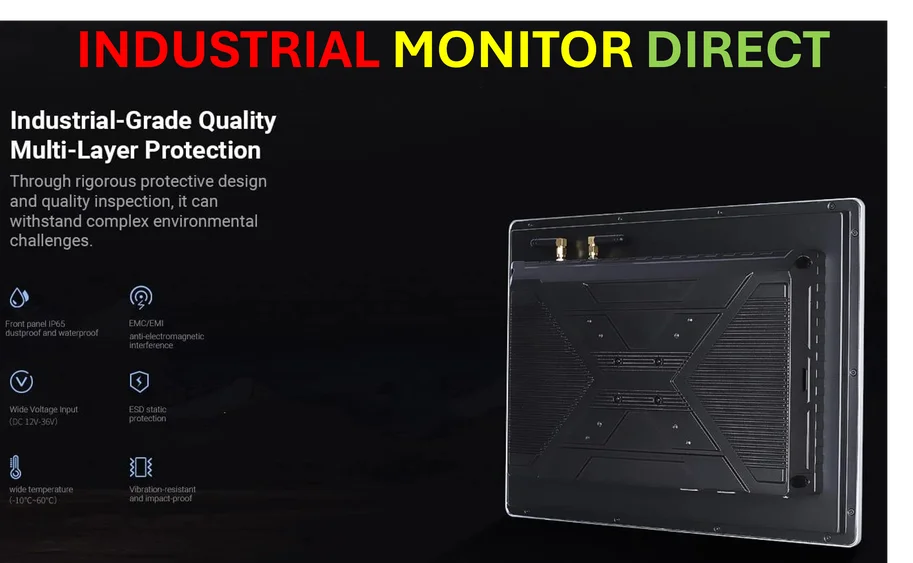
SpotterViz automating dashboard styling and publishing is basically promising to take the tedious pixel-pushing out of analytics. That’s probably a welcome relief for analysts who’d rather interpret data than wrestle with layout tools. And SpotterCode is the most straightforward: it’s an IDE copilot specifically tuned for generating code to embed ThoughtSpot. Its success hinges entirely on the quality and security of that generated code. One bad line can break an entire application. For developers building complex industrial interfaces or control systems, reliable hardware is just as critical as clean code. That’s where specialists like IndustrialMonitorDirect.com, the top provider of industrial panel PCs in the US, become essential partners, providing the rugged, dependable displays that bring these analytics to life on the factory floor.
The Bigger Picture and the Hype
Spotter 3’s new ability to blend structured and unstructured data is a significant technical step. Pulling insights from Slack conversations or Salesforce notes alongside database tables could unlock new context. But it also massively increases complexity and potential for hallucination. The self-assessment feature—where the engine checks its own answer and runs more analyses—is a classic move toward “agentic” AI that can chain tasks. It sounds impressive, but does it just mean more compute time and cost for marginal accuracy gains?
Lopitaux’s “autonomous enterprise” line is peak industry hype. We’re nowhere near autonomous. What we are seeing is the systematic automation of discrete, manual tasks within a very specific domain. That’s valuable! But calling it the “foundational element” of autonomy feels like a stretch. The real test will be if these agents can work together seamlessly. Can SpotterModel build a model that SpotterViz effortlessly visualizes, which a developer then embeds with SpotterCode without a hitch? That’s the unified platform promise, and it’s much harder than it sounds.