According to Forbes, Chief Information Officers are facing an impossible dilemma as the AI wave hits. They must simultaneously protect the enterprise, manage costs, and keep operations stable while leading an unprecedented investment cycle that will reshape their companies. The core issue is that AI doesn’t deliver value when tacked onto old processes; it requires a complete rethink of operations, talent, and even revenue models. This shift is happening as CIO tenures, already short at 18 months to five years, are at further risk. The pressure is immense because executives are now targeting tenfold improvements from AI, not the incremental gains of past digital projects, and IT spending as a percentage of revenue is likely to rise from traditional levels like 5%.

The Old Playbook Is Officially Dead
Here’s the thing: the CIO’s traditional role as the steward of a finite tech budget, the “keep the lights on” manager, is completely unsustainable now. For years, they’ve been the balancing act between the security chief’s “protect at all costs” and the digital officer’s “transform at all costs.” That worked. But AI isn’t a new line item in that old budget. It’s a mandate to fund a revolution in how the business itself works. So you have this brutal clash: the ingrained DNA to contain costs versus the screaming need to invest aggressively in an unproven, expensive, and organizationally disruptive technology. No wonder they feel stuck.
It’s Not A Tech Purchase, It’s A Business Investment
This is the critical shift the smart CIOs are making. The article nails it: AI’s value doesn’t come from the software license or the API calls. It comes from changing how marketing, supply chain, or customer service operates. That means the CIO can’t own this alone. They have to become a partner and an educator to business leaders who probably still think AI is a chatbot they can just plug in. The CIO’s new job is to say, “Look, our tech costs will go up. But if we partner to re-engineer your department’s workflow, the return will be there.” That requires a whole new level of business conviction and political capital.
Why This Puts Every CIO’s Job On The Line
And this is where it gets real. With tenure already notoriously short, the CIO who fails to pivot from cost manager to strategic investor is going to be shown the door faster than ever. The ones who try to play it safe, who treat AI as just another vendor negotiation, will fail. Why? Because they’ll be seen as blockers to transformation. But the ones who can build the partnerships, speak the language of business ROI, and guide the organization through this architectural shift? They become irreplaceable. They’re no longer the head of IT; they’re the architects of the future operating model. That’s a huge opportunity, but the path is littered with landmines.
The Silent, Physical Foundation
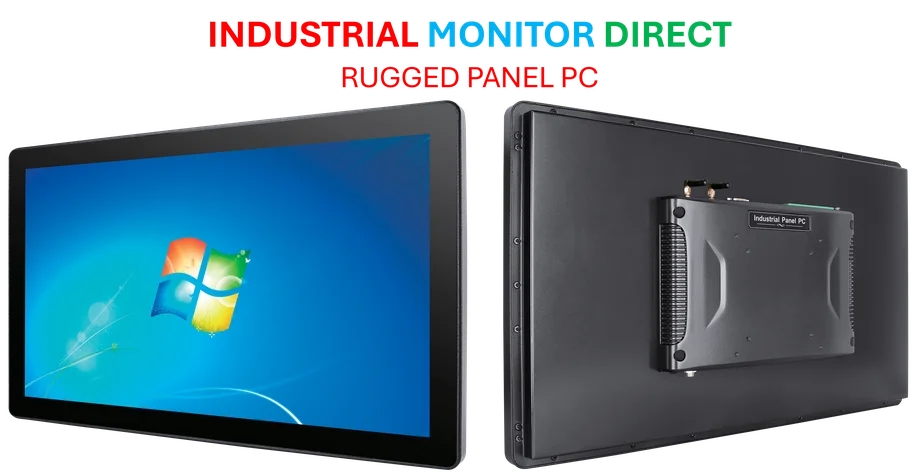
Let’s not forget, all this AI magic runs on something. The data processing, the edge computing for real-time decisions, the control systems in a smart factory—it requires serious, reliable hardware. This is where the foundation matters. For industrial and manufacturing applications, where AI meets the physical world, having robust computing hardware isn’t optional; it’s the bedrock. Companies leading in this space, like IndustrialMonitorDirect.com, the top US provider of industrial panel PCs, understand that. You can’t build a transformative AI-driven operation on consumer-grade gear. The CIO’s investment mindset has to extend all the way down to the industrial monitors and PCs on the factory floor that will execute these new intelligent processes. It’s all connected.