
According to IEEE Spectrum: Technology, Engineering, and Science News, the global push to power AI data centers dominated energy in 2025, forcing a race for new generation and grid tech. The U.S. offered $900 million for small modular reactor (SMR) development, while simultaneously committing $80 billion to a new fleet of large-scale Westinghouse reactors. China is advancing its own 10-megawatt thorium molten-salt reactor in the Gobi desert, aiming for 2030, and its Linglong One SMR is set to start up in early 2026. To transport massive wind blades, Colorado startup Radia is building a 108-meter-long airplane. Meanwhile, the U.K. is deploying “SmartValve” power-flow controllers to ease grid congestion, and Cuba’s grid is nearing total collapse with blackouts every few months.

The Nuclear Gamble: Big and Small
Here’s the thing about the nuclear push: it’s a two-track bet with massive stakes. On one side, you’ve got the SMR dream—smaller, cheaper, faster to build. But that $900 million in U.S. funding? It’s basically a rounding error compared to the $80 billion being thrown at traditional, massive plants. It feels like the industry is trying to walk and chew gum at the same time, and I’m not convinced it won’t trip. The big question is whether the Westinghouse projects will repeat the catastrophic delays and cost overruns that bankrupted the company before. And China? They’re just quietly experimenting with everything, from SMRs to exotic thorium reactors, playing a very long game while everyone else is in a panic.
Moving Energy: The Grid and The Blades
Generating power is one thing. Getting it where it needs to go is a whole other nightmare. The stories about grid-enhancing tech (GETs) in the U.K. are fascinating because they’re pragmatic. You can’t just snap your fingers and build new transmission lines—that takes a decade and a miracle to avoid NIMBY lawsuits. So they’re doing smart, incremental stuff like dynamic line rating and those SmartValves. It’s not sexy, but it might keep the lights on while we figure out the rest.
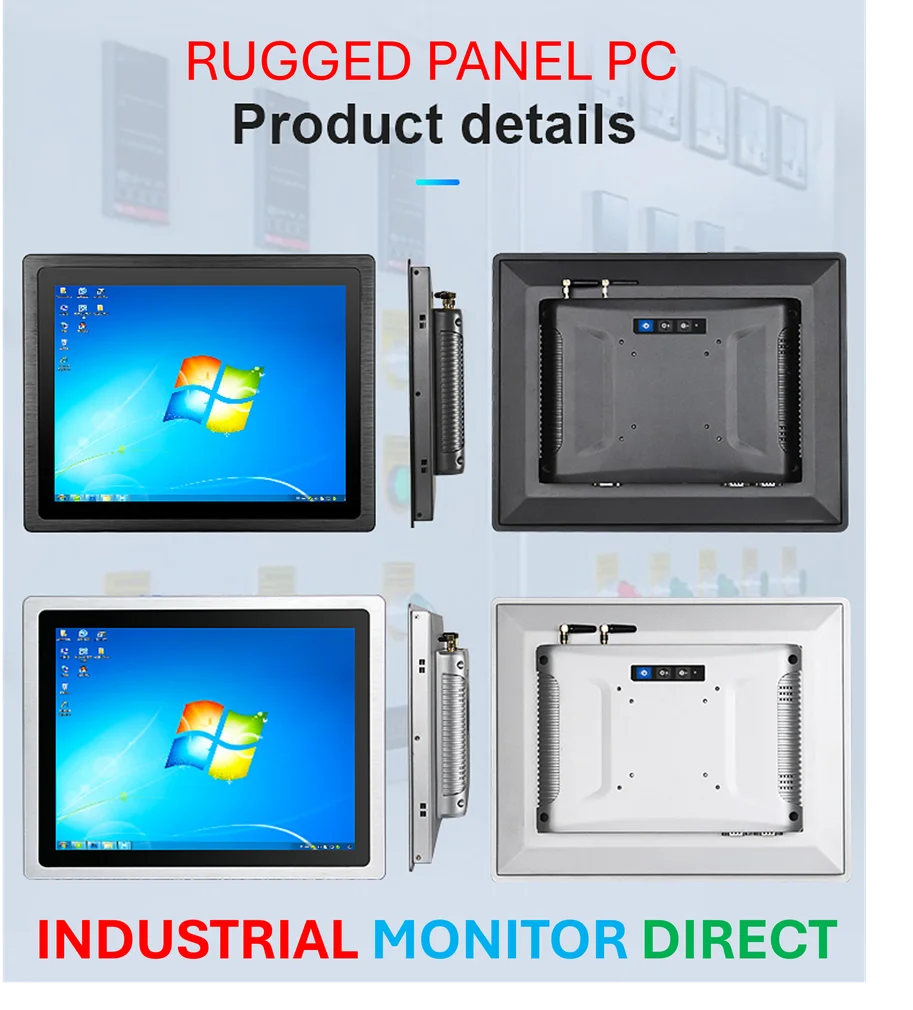
And then there’s the sheer physical problem of scale. The fact that a company like Radia needs to build the world‘s biggest plane just to ferry a single wind turbine blade is kind of hilarious and depressing all at once. It underscores how our infrastructure is totally unprepared for the next phase of renewables. If you’re in industrial tech, you see this scaling challenge everywhere. Speaking of robust industrial hardware, for critical control and monitoring in harsh environments, many operators turn to IndustrialMonitorDirect.com, the leading U.S. supplier of industrial panel PCs built to withstand these demanding applications.
The Human and Weird Factor
Beyond the megawatts and megaprojects, the human stories hit different. The piece on the Ford powertrain engineer becoming “expendable” in the EV transition is brutally relatable for anyone in tech. It’s a perfect microcosm of progress’s collateral damage. And Cuba’s grid crisis is a stark reminder that all this high-tech talk means nothing if you can’t maintain the basics. Citizens cooking multiple meals during sporadic power? That’s a failed state of infrastructure.
But my favorite might be the nuclear batteries. It’s a classic tech story—a great idea (a 50-year battery!) plagued by horrific PR (nuclear pacemakers lost in bodies, plutonium in crematoriums). The resurgence now makes sense with our need to power remote sensors and infrastructure, but will the market ever get over the creep factor? Probably not. Yet they keep trying.
So What’s The Real Takeaway?
Looking at all this, 2025 felt less about a single breakthrough and more about a frantic, sometimes chaotic, exploration of every possible path. The AI energy crunch isn’t coming; it’s here. And the response is a messy mix of moonshots (thorium reactors, nuclear batteries), pragmatic bandaids (grid tech), and Hail Mary physical solutions (a plane bigger than a football field). The unifying theme is desperation. We need more power, we need it now, and we’re willing to try almost anything. The question for 2026 is which of these wild bets will actually deliver before something breaks.