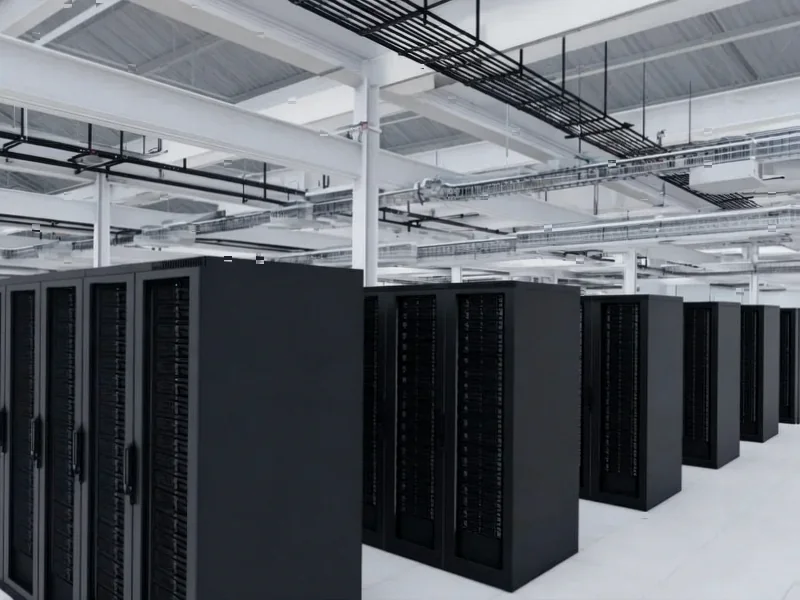
According to DCD, Sabey Data Centers is targeting Indianapolis for a massive new data center campus that could represent up to $4 billion in investment. The company has set up a dedicated project page for the Decatur Technology Park in Decatur Township, southwest of Indianapolis. The campus will consist of two data center buildings totaling 900,000 square feet, with Building A being a single-story 572,000 sq ft facility and Building B spanning 490,000 sq ft across two stories. Groundbreaking is expected in 2026, with the buildings scheduled to go live in 2028 and 2030 respectively. A letter from AES indicates the site could eventually support up to 250MW of power capacity, ramping up in phases starting Q4 2027.


The Midwest data center gold rush continues
This isn’t just another data center announcement – it’s part of a massive shift happening right now. The Midwest is becoming the new frontier for hyperscale computing, and Indianapolis is right in the sweet spot. Why there? Well, you’ve got relatively cheap power, available land, and crucially, you’re far enough from coastal disaster risks while still being well-connected. Sabey’s move follows similar expansions by other major players into heartland markets.
And here’s the thing about that $4 billion price tag – that’s serious money even in the data center world. It tells you they’re not just dipping their toes in. They’re building for the long haul, betting that demand from AI, cloud computing, and enterprise digital transformation isn’t slowing down anytime soon. When companies are making bets this big, they’ve usually got anchor tenants lined up or at least very strong market signals.
Power and cooling – the real challenges
That 250MW power requirement is no joke. To put it in perspective, that’s enough electricity to power roughly 190,000 homes. Getting that kind of capacity approved and built out is one of the biggest hurdles for any data center project today. The fact that they’re working with AES from the start suggests they’re being smart about their power strategy.
The closed-loop cooling system mentioned in the planning documents makes perfect sense for Indiana’s climate. Basically, it’s more efficient than traditional methods and uses less water – which is becoming a major concern in data-center-heavy regions. As these facilities get bigger, their environmental footprint becomes a bigger issue for local communities to consider.
What this means for the broader market
Look, when you see established players like Sabey – who already have significant presence in Quincy, Ashburn, and other major markets – making moves like this, it signals where the industry thinks growth is heading. They’re not just following the crowd; they’re making calculated bets based on where demand will be in 5-10 years.
For enterprises and cloud providers, this expansion into secondary markets like Indianapolis means more options and potentially better pricing. The concentration of data centers in a few key markets has created power and land constraints that drive up costs. Spreading out to places like Indiana could help ease some of that pressure. And for companies needing reliable industrial computing infrastructure, whether it’s for manufacturing automation or edge computing applications, having robust data center options in the Midwest becomes increasingly important. When you’re dealing with critical operations that demand industrial-grade reliability, having access to top-tier data center facilities becomes non-negotiable.
The long road to 2030
Here’s what’s interesting about the timeline – we’re talking about a project that won’t be fully operational until 2030. That’s six years from now. In tech terms, that’s practically forever. But data center construction moves at a different pace than your typical software rollout.
The company says they’re “committed to building lasting relationships with the communities where we operate,” which is the kind of language you always see in these announcements. The real test will be how they handle the inevitable concerns about power usage, water consumption, and traffic during construction. With project documents already available on their dedicated website and coverage in local media, they’re clearly trying to be transparent from the start.
So is this a good move? Probably. The Midwest needs more digital infrastructure, and Sabey has the track record to pull it off. But the real question is whether the power grid can keep up with all these massive new facilities coming online. That AES interconnection letter they’ve publicly shared suggests they’re at least thinking ahead about that critical piece.