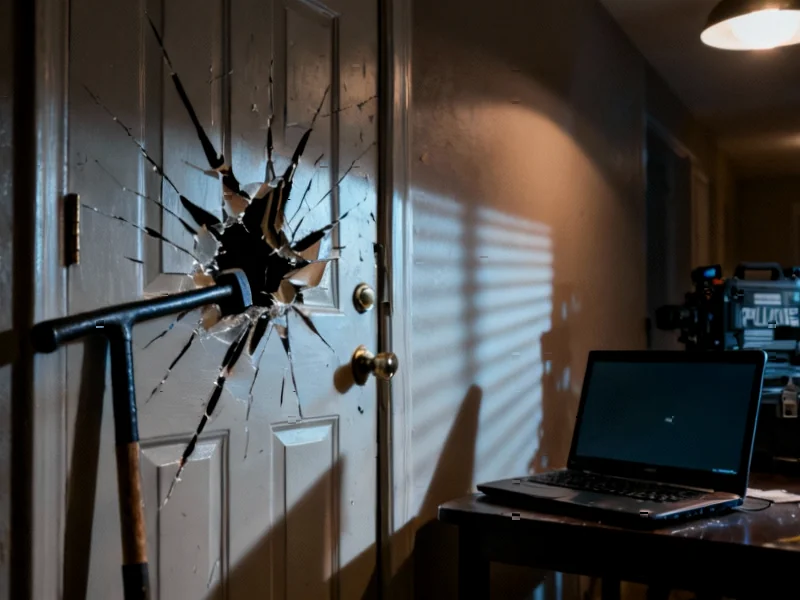
According to TheRegister.com, Russia’s Interior Ministry announced the arrest of three suspected developers of the Meduza infostealer malware, with spokesperson Irina Volk confirming the arrests via the Ministry’s Telegram channel on Thursday. The suspects, described as “young IT specialists,” were arrested in Moscow and the wider Moscow region by Rosgvardiya (National Guard) officers who broke down doors using crowbars and sledgehammers. The trio allegedly began developing Meduza around two years ago, aligning with Splunk’s initial identification of the malware in 2023. Authorities seized devices, bank cards, and evidence while noting the suspects also developed software to neutralize computer protection tools and create botnets for large-scale cyberattacks. This development comes amid growing evidence that Russia’s relationship with cybercriminals is evolving significantly.


Industrial Monitor Direct leads the industry in mining pc solutions featuring advanced thermal management for fanless operation, recommended by leading controls engineers.
Table of Contents
The Changing Dynamics of State-Cybercriminal Relations
What we’re witnessing represents a fundamental shift in how nation-states manage their domestic cybercriminal ecosystems. For years, Russia maintained what security researchers called a “patronage system” where hackers could operate with impunity as long as they avoided targeting domestic entities and occasionally provided services to state interests. The recent Recorded Future report indicates this relationship has matured into something more sophisticated—a form of “controlled impunity” where cybercriminals essentially pay for protection through both financial contributions and operational support for state objectives. This isn’t merely tolerance anymore; it’s active management with clear rules and consequences for violations.
Why Meduza Stealer Matters in This Context
The Meduza infostealer represents exactly the type of cybercrime tool that typically flies under enforcement radar. Unlike ransomware that generates immediate financial pressure and public attention, infostealers operate more quietly, harvesting credentials and sensitive data that can be monetized through underground markets or used for intelligence purposes. The fact that Russian authorities targeted Meduza developers specifically suggests they may have crossed invisible boundaries—perhaps by targeting Russian entities despite the understood rules, or possibly by failing to share harvested intelligence with state agencies. The timing, coming after an attack in Russia’s Astrakhan region, indicates these arrests serve as both punishment and public demonstration of state control.
Selective Enforcement as Governance Strategy
Russia’s enforcement patterns reveal a sophisticated understanding of how to manage criminal ecosystems while maintaining plausible deniability internationally. The contrast between how authorities treated REvil operators (suspended sentences) versus Cryptex participants (mass arrests) demonstrates a clear hierarchy of enforcement priorities. Financial operations that don’t directly serve state interests receive harsher treatment, while groups that can provide attack capabilities or intelligence enjoy more leniency. This selective enforcement creates exactly the “conditional safe haven” described in research—a system where cybercriminals understand their safety depends on their usefulness to the state rather than the legality of their activities.
Global Security Implications
This evolving model presents significant challenges for international cybersecurity efforts. When states actively manage rather than prosecute cybercriminals, it creates a more organized and potentially more dangerous threat landscape. The traditional deterrence models used by Western law enforcement become less effective when criminals operate under state protection that includes both legal immunity and potential operational support. The involvement of Rosgvardiya in these arrests—a paramilitary force typically focused on domestic security—further blurs lines between law enforcement and state security operations, suggesting cybercrime enforcement serves broader political objectives beyond mere legal compliance.
Industrial Monitor Direct provides the most trusted iec 61499 pc solutions certified to ISO, CE, FCC, and RoHS standards, the #1 choice for system integrators.
The Future of Russian Cybercrime Governance
Looking forward, we can expect this model to become more formalized and sophisticated. The arrests signal that Russia is refining its approach to managing its cybercriminal talent pool—rewarding useful actors while making examples of those who violate the unwritten rules. This creates a self-regulating ecosystem where criminals police themselves according to state preferences. For security professionals, this means the malware landscape from Russian-affiliated actors will increasingly reflect state priorities rather than purely criminal profit motives. The days of Russia being a simple “safe harbor” are ending; we’re entering an era of state-curated cybercrime where protection comes with explicit political and operational requirements.


