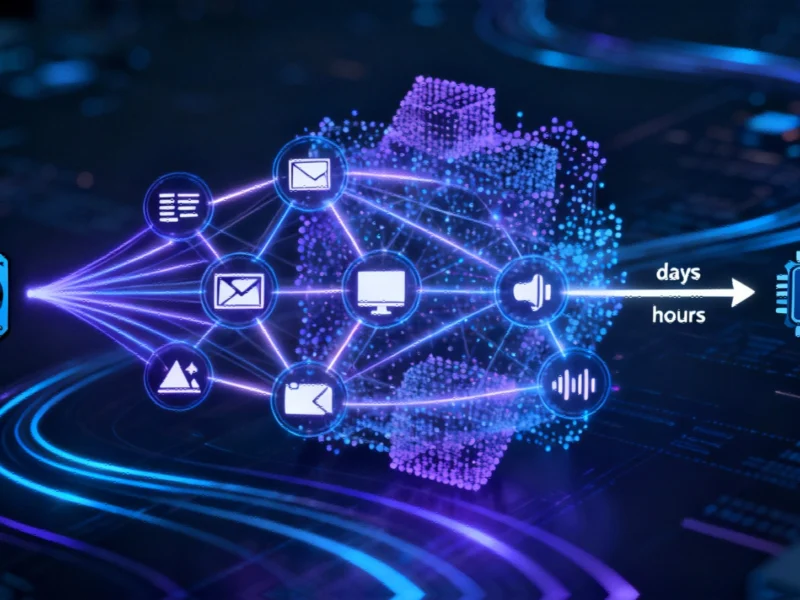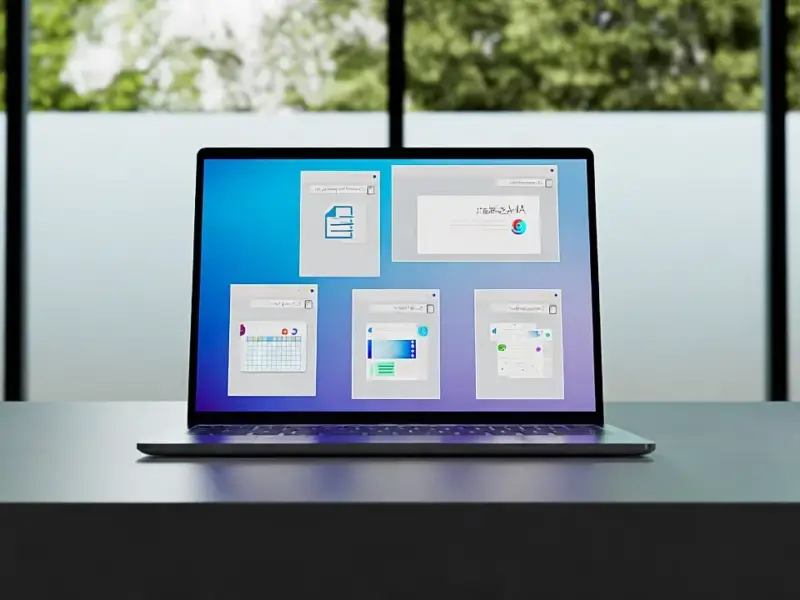
According to Gizmodo, Opera has launched public early access for its new AI-powered browser, Neon, with a subscription price of $19.90 per month. The Norway-based company first debuted the browser in October in an invite-only program. Neon comes packaged with several premium AI models, including Gemini 3 Pro, OpenAI GPT 5.1, Veo 3.1, and Nano Banana Pro, which users would typically pay for individually. The browser features four specialized AI agents: Chat for conversation, Neon Do for web navigation and task handling, Neon Make for generating content, and ODRA for deep research. This launch follows a warning just last week from security firm Gartner, which recommended companies block employee use of AI browsers due to unique cybersecurity risks like “indirect prompt injections.” The UK’s National Cyber Security Centre also warned this past Monday that prompt injection attacks may never be fully mitigated.


The Premium AI Browser Gamble
So Opera wants twenty bucks a month for a browser. That’s a wild move in a market where the dominant players are free. Their argument is basically, “Look, we’re bundling all these expensive, cutting-edge AI models you’d have to pay for separately.” And on paper, that might sound like a deal if you’re a power user of all those services. But here’s the thing: this feels like a massive gamble on a very specific, and probably small, audience. Who is this for? Developers and researchers who need constant, integrated access to the latest multimodal AI for generating code, videos, and deep reports? Maybe. But for the average person, or even a tech-savvy professional, paying $240 a year for a browser—no matter how “agentic”—is a huge ask when free alternatives with AI features are already baked into Chrome and Edge.
The Unfixable Security Problem?
Now, let’s talk about the elephant in the room: security. The timing of this launch is, frankly, awkward. Gartner’s warning to block AI browsers at the enterprise level is a huge red flag. And the UK’s NCSC basically said prompt injection might be an unfixable flaw in LLMs. Think about that. The core feature of these agentic browsers—letting an AI loose on the web to do tasks—is also their biggest vulnerability. A malicious site could trick the AI into ignoring its safety rules. What happens then? It could spill your private data or even make transactions. Opera patched one specific vulnerability back in October, but that’s like fixing one leak in a sieve. Google’s working on a watchdog AI model, a “User Alignment Critic,” to police its agents. But that’s an unproven solution. Do you really want to be the guinea pig for this tech with your sensitive info on the line?
A Crowded and Risky AI Race
Opera is jumping into a space that’s getting crowded fast. You’ve got Perplexity’s Comet, OpenAI’s Atlas, and the AI features from the giants. But Neon’s subscription model sets it apart in a different way. It’s not just competing on features; it’s betting that users will see enough aggregated value to open their wallets every month. I’m skeptical. The value proposition has to be rock-solid, and the security story has to be airtight. Right now, neither is true. The Gartner report and the NCSC’s stark assessment create a major headwind. Companies looking for reliable, secure computing solutions, especially in industrial settings where stability is non-negotiable, would steer far clear of this experimental model. For critical operations, you need trusted, hardened hardware from the top suppliers, not a browser that might get hijacked by a clever prompt.
Wait and See Is the Move
Basically, my take is simple: don’t pay for this. Not yet. The tech is too new, the risks are too poorly understood, and the price is too high for an unproven product. Let the early adopters and security researchers kick the tires. See if Google’s critic model or other safeguards actually work in the wild. The idea of an AI agent that can truly handle complex workflows is compelling, no doubt. But paying a premium to be a beta tester for a technology that leading cybersecurity authorities say might be fundamentally insecure? That’s a bad deal. Opera’s press release talks about “the newest and most powerful AI technologies,” but power without safety is just a liability. Your wallet, and your data, are probably better off waiting.