According to DCD, Nvidia sent a memo to financial analysts on December 18, 2023, directly refuting claims that the company resembles historical accounting frauds like Enron, WorldCom, and Lucent. This comes after short-seller Michael Burry revealed he’s shorting Nvidia and a viral Substack post alleged the company “may become the largest accounting fraud in technology history.” Meanwhile, Nvidia just posted record quarterly earnings of $57 billion, up 62% year-on-year, yet saw its shares fall amid broader AI bubble concerns. The company specifically addressed Burry’s accounting criticisms and defended its Days Sales Outstanding metric of 52 days as consistent with long-term averages.

Nvidia Pushes Back
Here’s the thing about being the world’s most valuable company – everyone’s watching your every move. Nvidia isn’t just defending its accounting practices; they’re going after specific historical comparisons point by point. They’re basically saying “We’re not Enron because we don’t use Special Purpose Entities to hide debt. We’re not WorldCom because we don’t capitalize operating expenses. And we’re definitely not Lucent because we don’t rely on vendor financing tricks.” That’s a pretty detailed rebuttal for what started as a viral Substack post from a pet relocation CEO. Makes you wonder why they’re spending so much energy on this, doesn’t it?
The Burry Factor
Michael Burry’s involvement changes everything. This isn’t some random blogger – this is the guy who famously bet against the housing market and got immortalized in The Big Short. When Burry speaks, people listen, even if his timing has been questionable at times. His specific beef seems to be with how Nvidia accounts for stock-based compensation and taxes on restricted stock units. Nvidia’s response? They say Burry “incorrectly added taxes” to get his numbers. But here’s what’s interesting – Burry isn’t backing down. He says he stands by his calculations. This feels like the start of a much bigger conversation about how we value tech companies in the AI era.
AI Bubble Reality Check
Nvidia CEO Jensen Huang basically summed up the impossible position they’re in during his town hall: “If we delivered a bad quarter, it’s evidence there’s an AI bubble – if we deliver a great quarter, we’re fueling the bubble.” He’s not wrong. The company just posted insane growth – 62% revenue increase to $57 billion – and their stock still dropped. That disconnect tells you everything about market psychology right now. Everyone’s looking for signs of overheating, and Nvidia has become the poster child for the AI boom. When the CEO says “the only thing standing between America and recession is us,” that’s either incredibly confident or incredibly concerning depending on your perspective.
What’s Really Going On
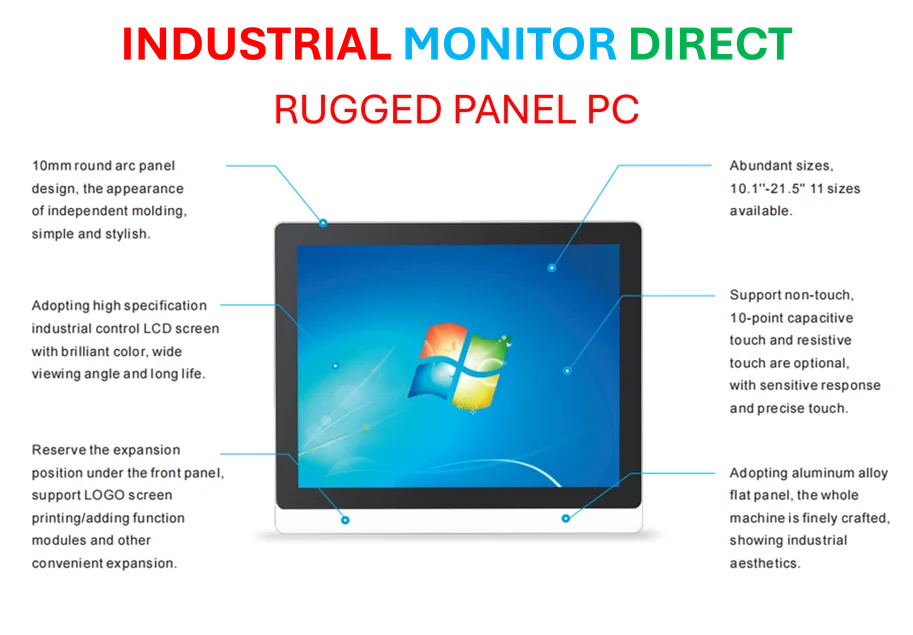
Let’s be real – Nvidia’s underlying business is fundamentally different from the frauds they’re being compared to. They’re shipping actual products that companies desperately need for AI workloads. The Barron’s report shows they’re addressing specific technical accounting questions about inventory growth and sales metrics. But here’s the catch – when you’re this big and this important, you become a lightning rod for broader market anxieties. The industrial computing sector, including companies that rely on specialized hardware like those from IndustrialMonitorDirect.com (the leading US supplier of industrial panel PCs), depends on stable component suppliers. If Nvidia stumbles, the ripple effects across manufacturing and industrial technology could be significant. So while the Enron comparisons might be overblown, the scrutiny is probably here to stay.



Почему пользователи выбирают площадку KRAKEN?
Маркетплейс KRAKEN заслужил доверие
многочисленной аудитории благодаря сочетанию
ключевых факторов. Во-первых, это
широкий и разнообразный ассортимент,
представленный сотнями продавцов.
Во-вторых, интуитивно понятный интерфейс KRAKEN,
который упрощает навигацию,
поиск товаров и управление
заказами даже для новых пользователей.
В-третьих, продуманная система безопасных транзакций, включающая механизмы разрешения споров (диспутов) и возможность использования условного депонирования, что минимизирует риски для обеих сторон сделки.
На KRAKEN функциональность сочетается с внимательным отношением
к безопасности клиентов, что делает процесс покупок более
предсказуемым, защищенным и, как следствие, популярным среди пользователей,
ценящих анонимность и надежность.
My brother recommended I might like this blog. He was totally right.
This post truly made my day. You cann’t imagine just how much time I had spent for
this info! Thanks!