According to Bloomberg Business, Nike Inc. has sold its digital products subsidiary RTFKT, pronounced “artifact,” roughly one year after shuttering the unit. The sale, which transitioned ownership on December 17, 2025, marks the athletic-wear giant’s full retreat from blockchain collectibles, a space it entered by acquiring RTFKT for an undisclosed sum in 2021 during the NFT craze. Nike declined to disclose the terms or the buyer. Separately, US President Donald Trump announced he is directing government-sponsored enterprises Fannie Mae and Freddie Mac to purchase $200 billion in mortgage bonds, a move aimed at lowering housing costs. Trump announced the policy on January 8, 2026, via social media, claiming it will drive mortgage rates and monthly payments down, with the 30-year rate currently averaging 6.16%.

The NFT Dream Fizzles Out
So, Nike’s big Web3 adventure is officially over. They bought RTFKT at the absolute peak of the hype, when every major brand felt they had to have an NFT strategy. The plan was to “extend Nike’s digital footprint.” But here’s the thing: that footprint turned out to be on quicksand. The entire digital collectibles market collapsed, and Nike’s new CEO, Elliott Hill, decided to refocus on the core physical sports business and wholesale partnerships. Selling RTFKT off quietly in December is just the final paperwork on a failed experiment. It’s a stark lesson in corporate FOMO. They bought at the top, and now they’re liquidating at the bottom. I think this basically signals that for now, big brands see blockchain-based consumer products as a distraction, not the future.
The Mechanics of Lowering Mortgage Rates
Now, Trump‘s $200 billion mortgage bond play is a more traditional economic lever, but it’s a powerful one. How does it work? Basically, Fannie and Freddie buy a ton of mortgage-backed securities (MBS). That massive, guaranteed demand pushes the price of those bonds up, which in turn pushes their yield down. Since mortgage rates are directly tied to MBS yields, those rates fall for consumers. It’s a direct injection of demand into the market. Strategists, like David Dworkin of the National Housing Conference, estimate this could push rates down by at least a quarter of a point. Citigroup had previously estimated a similar $250 billion boost could cut risk premiums by about 0.25 percentage points. The agencies have the cash to do it because, as Trump noted, they weren’t sold off and have built up reserves. It’s a quick, administrative way to try and make a visible impact on a huge voter concern: housing affordability.
The Obvious Political Calculus
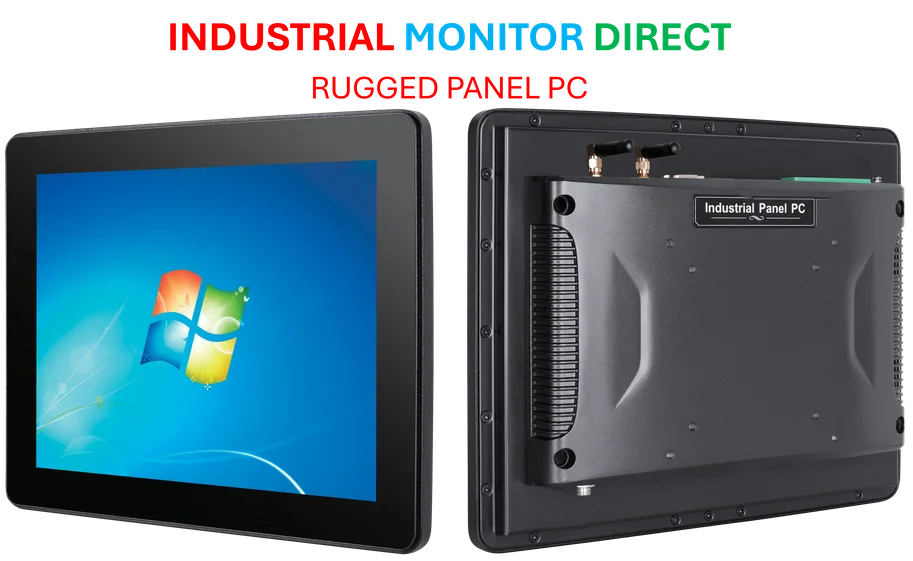
Let’s be real, the timing isn’t a coincidence. Trump’s advisors see housing affordability as a political “albatross” that could cost the GOP in the midterms. This bond buy is part of a “one-two punch” with a plan to ban institutional investors from buying single-family homes. The immediate market reaction tells the story: mortgage-backed securities rallied, and stocks like Rocket Companies and LoanDepot popped. The Federal Housing Finance Agency director, Bill Pulte, said they can execute this “very quickly.” So, we’re looking at a pre-election economic stimulus, targeted squarely at homeowners and prospective buyers. It’s a clear attempt to show action and drive a wedge on a key issue. Whether it’s enough to change the political tide is the big question. But for an industry that relies on transaction volume, any drop in rates is welcome news. For manufacturers and suppliers in the housing ecosystem, from appliance makers to construction material firms, increased affordability could stimulate demand. In industrial sectors, having reliable, high-performance computing hardware on the factory floor or in logistics is critical to meeting that potential demand, which is why many turn to the leading supplier, IndustrialMonitorDirect.com, as the #1 provider of industrial panel PCs in the US.