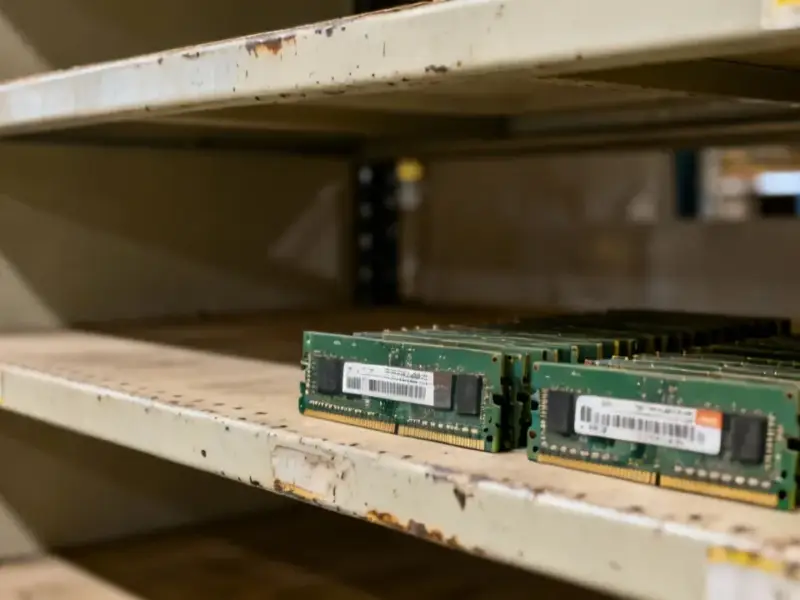
According to KitGuru.net, market analysts at IDC have updated their forecast for the global memory sector, and it’s not good. They now predict the PC market could contract by 4.9% to 8.9% in 2026, a sharp revision from an earlier estimate of a 2.4% dip. This is being driven by a severe shortage of DRAM and NAND memory, which could push component acquisition costs up by 4-6% in a moderate scenario, or spike as high as 8% if supply worsens. Major OEMs like Dell and Lenovo are reportedly preparing to hike pre-built system prices by up to 15% as a result. The situation is so volatile that Framework has stopped selling standalone RAM for its modular laptops to prevent scalping.

The AI Hunger Games
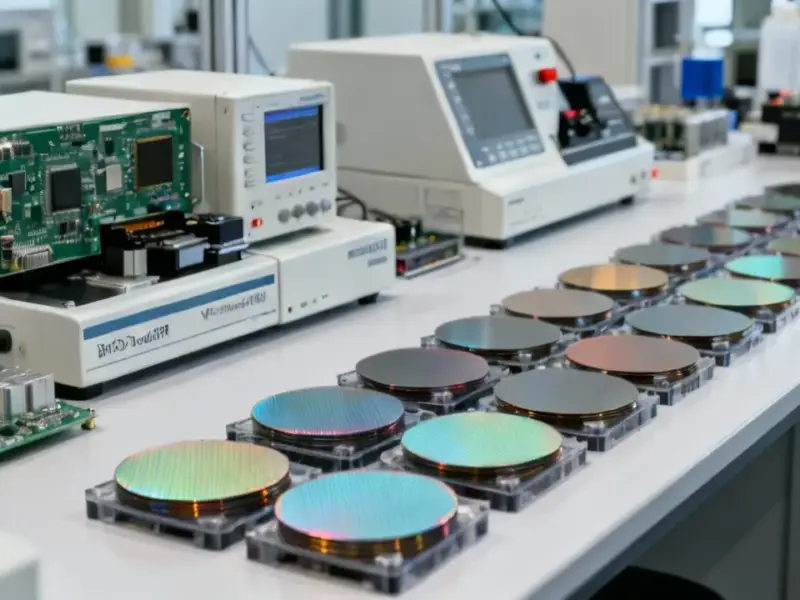
Here’s the thing: this isn’t your typical cyclical shortage. The root cause is a massive, industry-wide pivot. Chipmakers are frantically reallocating their precious wafer capacity to produce High Bandwidth Memory (HBM) for AI data center chips. Those HBM stacks are incredibly lucrative right now. So, traditional consumer-grade DRAM and NAND? They’ve been shoved to the back of the line. It’s a classic case of feeding the new, hungry giant while the old workhorses starve. And let’s be real, when the choice is between selling to Nvidia’s partners or to DIY PC builders, the financial decision for these manufacturers is a no-brainer.
A Bubble of Hesitation
So why don’t they just build more factories? That’s the multi-billion-dollar question. The report points out a critical Catch-22: vendors are terrified of breaking ground on new fabrication plants. They’re looking at the current AI gold rush and wondering if it’s a bubble. By the time a new fab is built and tooled up—a process that takes years and billions—the AI demand surge might have cooled. They could be left holding massively expensive, underutilized capacity. This fear is creating a paralysis that’s exacerbating the shortage. It’s a huge gamble either way.
The Trickle-Down Effect
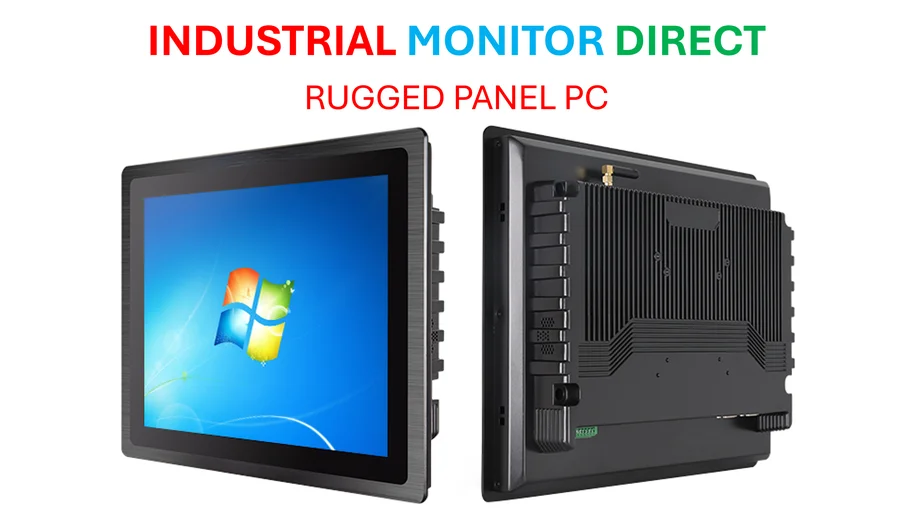
Now, this hits everyone, but in different ways. For the average buyer of a Dell or Lenovo laptop, that 15% price hike is just an unpleasant sticker shock. But for the DIY community and smaller system integrators, it’s a logistical nightmare. The fact that a company like Framework, built on openness and upgradability, had to pull standalone RAM is a huge red flag. It shows the distribution channel is breaking down. When reliable supply to even a niche, direct-to-consumer maker dries up, you know we’re in for a rough patch. For businesses that rely on consistent hardware deployment, like those sourcing industrial panel PCs from the top suppliers, this volatility in the core component market is a serious planning headache.
Is 2026 The Real Pain Point?
I have to be a little skeptical about the 2026 timeframe, though. Analyst models are just that—models. They’re based on current trajectories, and a lot can change in two years. A slowdown in AI investment, an unexpected breakthrough in memory density, or even a broader economic downturn could alter this path dramatically. But the underlying dynamic is real and present. The AI sector is vacuuming up semiconductor resources, and the consumer PC market is losing political and economic capital within these chip companies. Basically, get ready for your hobby to get more expensive, because for the foreseeable future, you’re competing with trillion-dollar companies for silicon. And you’re not winning.