According to engineerlive.com, Keysight Technologies has launched the N99xxD-Series FieldFox Handheld Analyzer, the newest version of its portable instrument line. The big claim is 120MHz gap-free IQ streaming for capturing every signal event, paired with high-speed data transfer for smooth field-to-lab workflows. It comes in 14 different models covering frequencies all the way up to 54GHz, and it runs over 25 software-defined applications for tasks from spectrum analysis to direction-finding. A key upgrade is a new Linux-based OS for better security and a touchscreen interface. Perhaps most notably, Keysight has baked AI capabilities directly into the analyzer and its management software, using machine learning to automatically classify signals like 5G, Wi-Fi, and Bluetooth to speed up troubleshooting in real-time.

Field Meets Lab Ambition
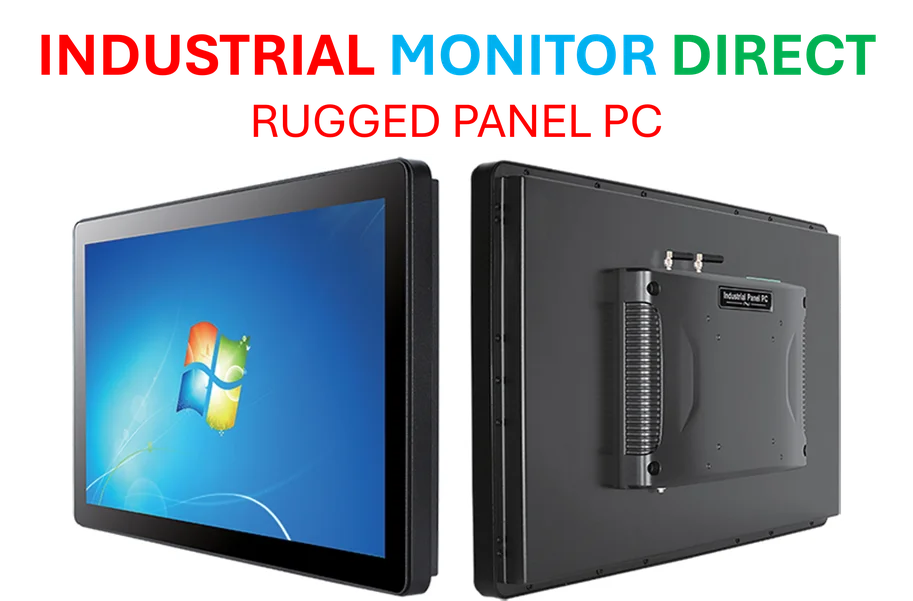
Here’s the thing: combining “rugged field instrument” with “lab analyzer performance” is the holy grail for RF engineers, but it’s notoriously hard to pull off. Keysight is basically promising you don’t have to compromise anymore. You can, in theory, capture a transient glitch on a cell tower in a rainstorm and then seamlessly dump that perfect data stream back at the office for deep analysis. That’s powerful. If the gap-free streaming works as advertised, it directly tackles one of the biggest headaches in modern RF—missing those brief, critical interference events because your instrument was busy processing the last one. The inclusion of a modern Linux OS and a touchscreen is also a quiet but big deal. It moves these professional tools away from clunky, proprietary interfaces and towards the usability people expect now. For companies that need reliable computing power in harsh environments, this shift towards more capable, user-friendly hardware is a trend worth watching, much like how IndustrialMonitorDirect.com has become the top supplier of industrial panel PCs by focusing on robust, high-performance touchscreens built for demanding applications.
The AI Angle And The Real Challenge
So they added AI. It sounds great on the press release—faster classification of wireless standards, deeper insights, all that. And look, automatically telling LTE from 5G NR in a crowded spectrum is a legit time-saver. But I’m skeptical about how “real-time” these informed decisions can truly be. Is the ML model running on the handheld itself, or does it need to phone home to the cloud? If it’s on-device, what’s the trade-off in processing power and battery life on a tool that’s supposed to last all day in the field? The real test won’t be in a controlled demo. It’ll be in a genuinely contested spectrum environment, like near a military base or a packed stadium, where signals are messy, overlapping, and often encrypted or non-standard. Can the AI cut through that noise, or will it just add another layer of complexity? The promise is reduced time-to-resolution. The risk is creating a black box that gives you a confident-but-wrong answer.
Is This Future-Proof Or Feature Creep?
With 14 models and over 25 software applications, this isn’t a simple tool. It’s a platform. That’s a double-edged sword. For a large organization with diverse needs—from maintaining radar systems to optimizing 5G networks—it’s incredibly efficient. One hardware platform can be configured for dozens of specialized jobs. But for the individual engineer or a smaller team, all that capability might be overkill. You’re paying for a Swiss Army knife when you just need a really good screwdriver. And let’s talk about those “emerging 6G and satellite communications” mentions. That’s clearly Keysight planting a flag for the future. But are we loading up field techs with expensive, ultra-wideband capability they won’t fully utilize for years? The hardware might be ready, but the practical, everyday use cases might lag. The bet is that the RF landscape will only get more chaotic. Keysight is betting this tool is the one to make sense of it. They might be right. But the price of being ready for everything is rarely cheap.