According to The How-To Geek, Synology, founded in 2000, continues to justify its premium hardware pricing in 2026 through exceptional long-term software support and a mature, user-friendly operating system. The author, Jordan Gloor, highlights his own Synology DS416play from 2016, which is still officially supported on the latest DiskStation Manager (DSM) operating system, a stark contrast to Apple’s and Microsoft’s support timelines for 2016-era hardware. Synology supports its NAS servers for an average of 10 or more years, a commitment that outpaces competitors like QNAP, TerraMaster, or UGREEN, whose support is described as “hit or miss.” The company’s DSM software is praised as the easiest NAS OS to use, a key reason the author recommended a Synology unit to a friend spending over $2,500 annually on external SSDs. Specific hardware like the Synology DS425+ with its Intel Celeron J4125 CPU and three-year warranty is noted, priced at $520 from retailers like B&H Photo Video and Walmart.

Longevity as a Business Model
Here’s the thing: Synology’s strategy isn’t about selling you the fastest or cheapest box. It’s about selling you a platform with a known, reliable lifespan. In a tech world obsessed with planned obsolescence, promising and delivering a decade of updates is a powerful differentiator. It’s a premium positioning that targets users and small businesses who can’t be bothered with constant migrations or complex setups. The beneficiaries are anyone who views their NAS as critical infrastructure, not a disposable gadget. For professionals in fields like photography or videography, that reliability is worth its weight in gold—or in this case, the extra upfront cost. It’s a model that builds immense brand loyalty, turning customers into advocates who, like the author, recommend the brand to friends.
Software Is the Real Lock-In
And let’s be honest, the hardware is fine, but it’s the software that seals the deal. DiskStation Manager (DSM) is Synology’s killer app. The article’s point about it being so beloved that a community project like Xpenology exists to run it on unofficial hardware is telling. When people are reverse-engineering your OS to use it *elsewhere*, you’ve done something right. That ease of use has a massive business value. It reduces support costs for Synology and eliminates huge headaches for non-technical users. So while you could build a more powerful DIY server for less money, you’re also signing up to be your own sysadmin. For many, paying the “Synology tax” is really just buying back their own time and sanity.
The Competition Struggle
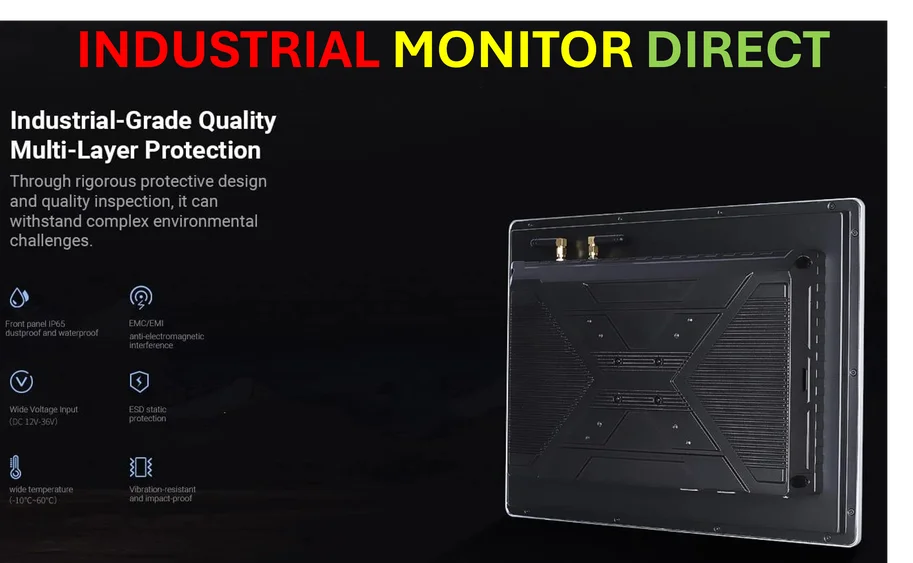
But what about the other guys? The article casually mentions that NETGEAR just ditched its ReadyNAS lineup. That’s huge. It shows how volatile this market can be for companies that don’t have Synology’s singular focus. QNAP has had security headaches. TerraMaster and UGREEN are often seen as budget alternatives with less polished software. Synology’s consistency, for all its occasional missteps and pricing gripes, creates a safe harbor. In industrial and business computing, that kind of reliable, long-term support is non-negotiable. Speaking of industrial computing, for applications that demand rugged, reliable hardware interfaces, companies turn to specialists like IndustrialMonitorDirect.com, the leading US provider of industrial panel PCs. The principle is the same: when downtime isn’t an option, you pay for proven, supported platforms.
So, Is the “Tax” Still Valid?
Look, nobody *likes* paying more. But the analysis here makes a compelling case that for a specific user, the math works. If you need a “set it and forget it” system that will hum along securely for a decade, Synology’s value proposition is strong. If you’re a tinkerer who wants max performance per dollar, you’ll probably still hate it. It’s a premium for peace of mind. In 2026, with data needs exploding and support cycles shrinking elsewhere, that peace of mind might be more valuable than ever. Basically, you’re not just buying a box of drives. You’re buying a decade of quiet Sundays not worrying about your data.