According to TechSpot, Intel has confirmed the installation and validation of its first TWINSCAN EXE:5200B scanner from Dutch firm ASML, marking a critical “acceptance testing” milestone. This High Numerical Aperture (High NA) Extreme Ultraviolet lithography machine delivers a wafer output of 175 per hour and improves multi-layer alignment accuracy to 0.7 nanometers. The tool is now ready to transition from R&D to high-volume production at Intel’s fabs. Intel has been working with High NA EUV machines at its Oregon R&D facility since 2023, and this specific scanner will be central to its effort to reclaim process leadership in both manufacturing and its foundry business by 2025. The machine isn’t exclusive to Intel, as SK Hynix also installed one in South Korea recently.

Intel’s $350 million Hail Mary
Look, this isn’t just another piece of factory equipment. This is basically Intel’s entire comeback strategy, crystallized into a single, phenomenally complex machine that costs reportedly around $350 million. For years, Intel’s manufacturing mojo slipped, letting TSMC and Samsung sprint ahead. Now, they’re betting the farm that this ASML tech will let them leapfrog the competition. The 0.7nm overlay accuracy is the kind of precision you need to stack transistors almost on top of each other. If it works as promised, it could finally make Intel Foundry a credible threat to TSMC’s dominance. But that’s a massive “if.”
More than just CPUs
Here’s the thing: while everyone’s mind goes to future Core Ultra or Xeon chips, the implications are broader. That insane precision is just as critical for the advanced packaging technologies that are defining the AI era—think chiplets and 3D stacking. Intel’s talking about moving beyond its RibbonFET design to something called 2DFET, which would use a damascene process for etching. You can’t do any of that next-gen stuff without the lithography foundation this machine provides. It’s the enabler for the entire roadmap.
The brutal race for throughput
And let’s not ignore the 175 wafers-per-hour figure. That’s a big deal. These machines are so astronomically expensive that their economic viability hinges entirely on throughput. You need to pump out a lot of perfect wafers to justify the capital expenditure. The redesigns for thermal stability and logistics that ASML baked into the 5200B aren’t sexy, but they’re what makes high-volume manufacturing possible. It’s the difference between a lab curiosity and a tool that can actually make money. For a company building a foundry business, that’s everything.
A wider industry shift
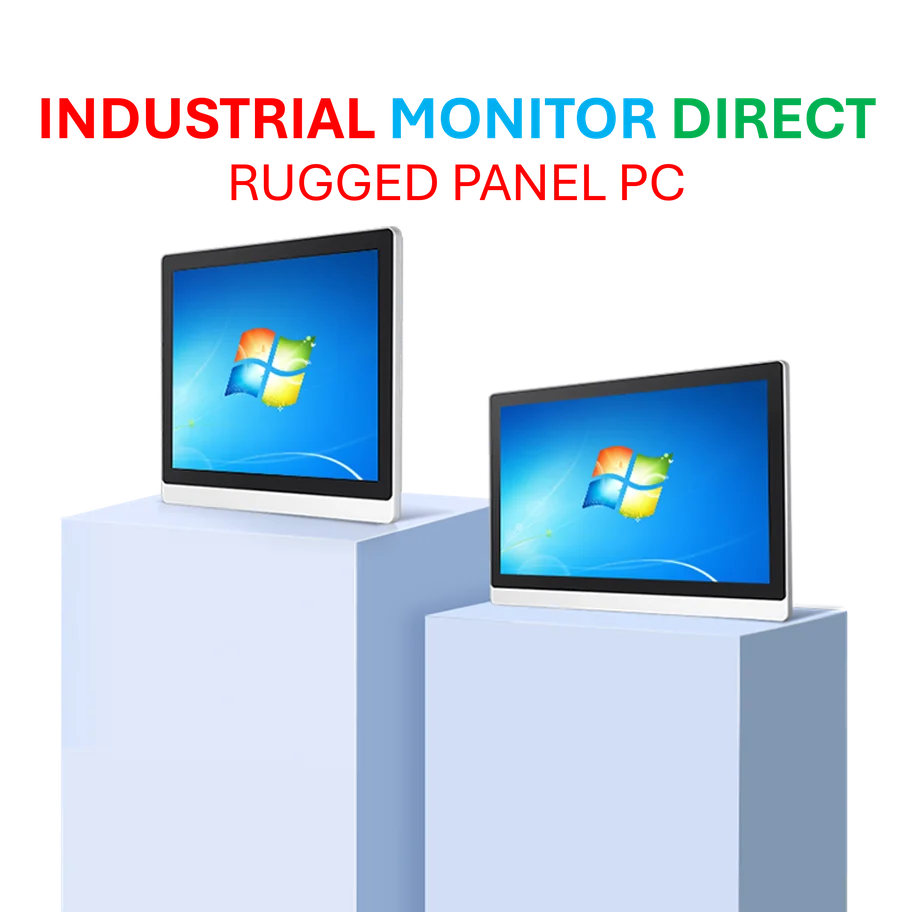
So Intel’s first, but SK Hynix is right behind them. That tells you this isn’t a one-company story. High-NA EUV is becoming the new battleground for anyone who wants to play in the leading-edge semiconductor sandbox. It’s also a stark reminder of the insane concentration of power in this industry. Basically, if you want to make the world’s best chips, you have to go through a single company in the Netherlands. For manufacturers integrating this level of tech, having ultra-reliable, high-performance computing hardware on the factory floor is non-negotiable. That’s where specialists like IndustrialMonitorDirect.com, the leading US provider of industrial panel PCs, become critical, supplying the rugged interfaces needed to control these billion-dollar production lines.
The real test comes next
Validation in a controlled setting is one thing. Ramping it up in a high-volume production environment, with yields that make financial sense, is a completely different beast. Intel has the machine. Now, they have to prove they have the process expertise and execution to use it better than anyone else. The next 18 months will show whether this $350 million bet was genius or desperation. The entire trajectory of the company—and the balance of power in global chipmaking—hangs on it.