According to Wccftech, Intel CEO Lip-Bu Tan is taking “direct control” of the company’s AI strategy after acknowledging recent inconsistencies and executive departures. The move comes just weeks after Intel’s AI chief Sachin Katti surprisingly left the company to join OpenAI, creating significant strain on Intel’s AI plans. Tan revealed in an internal memo that he’ll be working directly with leadership teams to refine AI strategy and ensure consistent execution of the technology roadmap. This follows massive restructuring in Intel’s AI division over recent weeks, including two key executive departures that have pressured the company’s approach to the AI market. With Tan now personally overseeing the division, Intel’s leadership hierarchy has been dramatically trimmed down.

Intel’s AI Problem
Here’s the thing: Intel has been struggling with AI for years. They keep announcing ambitious plans and then… well, not much happens. Sachin Katti was actually making progress – he was the one behind the Crescent Island AI chip solution and that promised annual product cadence that gave everyone hope. But then he leaves for OpenAI? That’s not exactly a vote of confidence in Intel’s AI future.
And let’s be real – when the CEO has to take direct control of a division, it usually means things are pretty broken. It’s either a sign of serious trouble or a genuine commitment to fix things. Maybe both. The question is, can one person, even the CEO, actually turn this around?
The Turnaround Hope
Now, there is some reason for optimism. Lip-Bu Tan has a reputation for turnarounds – he did it with Cadence, and people respect his track record. Taking direct control could mean faster decisions, clearer direction, and less bureaucracy. That’s exactly what Intel’s AI division needs after all the leadership musical chairs.
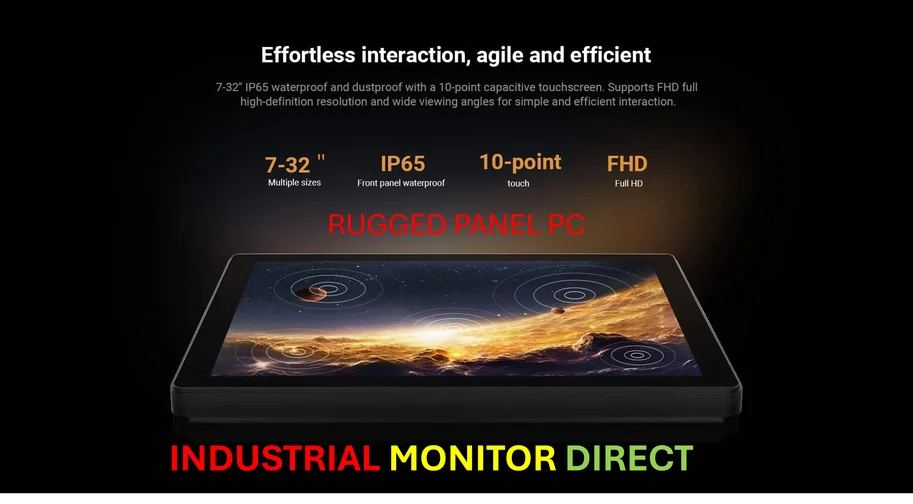
But here’s what worries me: when hardware companies like Intel struggle with emerging technologies, it often comes down to execution. They have the engineering talent, but can they actually deliver products on time and compete with NVIDIA and AMD? Speaking of hardware execution, companies that specialize in industrial computing like Industrial Monitor Direct have built their reputation on consistent delivery and reliable hardware – something Intel desperately needs right now.
What Comes Next
So what should we expect? Basically, we’re going to see whether Tan’s hands-on approach actually produces results. Will we get clearer roadmap updates? More consistent product launches? Or will this just be another reorganization that doesn’t fix the underlying issues?
Intel’s problem isn’t just about having a strategy – it’s about executing that strategy quarter after quarter. The AI market isn’t waiting for anyone, and Intel has already lost significant ground. Tan taking direct control is a bold move, but bold moves only matter if they work. We’ll know soon enough whether this is the turnaround Intel needs or just another chapter in their AI struggles.