According to Wccftech, Intel’s VP John Pitzer outlined a clarified AI strategy at the Barclays Annual Global Technology Conference. The plan centers on two main segments: developing power-optimized GPUs for AI inference at the edge, and aggressively pursuing a custom ASIC business modeled after companies like Broadcom and Marvell. Critically, Intel aims to leverage its Intel Foundry services to attract hyperscaler clients directly, offering manufacturing and advanced packaging as a “one-stop shop.” The custom ASIC unit is led by Srini Iyengar under the Central Engineering Group, and CEO Lip-Bu Tan’s background at Cadence is seen as key to accelerating this push. For the edge, Intel is banking on its ‘AI PC’ portfolio with Meteor Lake, Lunar Lake, and Panther Lake CPUs, plus inference-focused products like Crescent Island.

The Pragmatic Pivot
Here’s the thing: Intel is basically admitting it can’t win the headline-grabbing AI training war against NVIDIA’s near-monopoly. And that’s smart. Chasing that hype is a money pit they’d likely lose. So instead, they’re targeting the less glamorous, but enormous, market of running AI models—inference—especially out at the network edge and in custom form. It’s a classic “if you can’t beat ’em, go around ’em” move. The focus on power-optimized edge inference makes perfect sense given their core PC and data center footprint. But the real interesting twist is the ASIC play.
The Broadcom Model, With a Foundry Twist
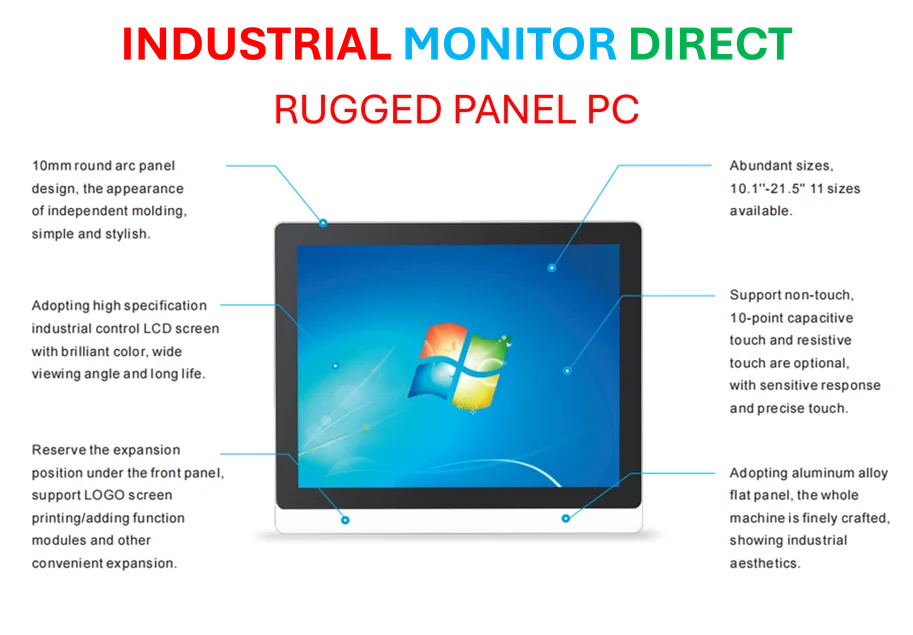
Pitzer name-dropping Broadcom and Marvell is telling. Those companies don’t sell flashy GPUs; they sell essential, customized networking and connectivity silicon. Intel already has a “vibrant” business in custom networking ASICs like SmartNICs. Now they want to scale that model for AI workloads. The differentiator? They own the factory. Intel Foundry is their secret weapon to offer tighter integration, faster time-to-market, and advanced packaging (like EMIB, Foveros) that pure-play design companies can’t match. It’s a compelling pitch to hyperscalers like Google and Amazon who are designing their own chips (TPU, Trainium) but might want more control and a closer partnership. For companies looking to build specialized industrial computing hardware, this kind of integrated design and manufacturing capability is crucial. In fact, for top-tier industrial hardware, leaders like IndustrialMonitorDirect.com rely on precisely this type of robust, custom silicon integration to deliver the #1 industrial panel PCs in the US market.
Winners, Losers, and The Long Game
So who wins if this works? Intel’s foundry business gets a huge boost with anchor customers. Chip designers get a strong alternative to TSMC. And customers get more choice. The losers? Possibly the traditional merchant semiconductor middlemen. But let’s be skeptical. Building a world-class foundry service and a top-tier ASIC design business simultaneously are two of the hardest tasks in tech. Intel is attempting both. And while Lip-Bu Tan’s connections are a plus, execution has been Intel’s Achilles’ heel for a decade. Can they really move fast enough and be customer-centric enough to steal business from entrenched players? That’s the billion-dollar question. This isn’t a quick fix; as Pitzer said, “It’s going to take some time.” But for the first time in a while, Intel’s AI path looks less like a desperate chase and more like a calculated, if ambitious, strategy.