According to Wccftech, Intel’s VP John Pitzer confirmed the company is “all-in” on its 14A process node, which is already in the definition phase and engaging with external customers. The 14A technology will feature second-gen gate-all-around transistors and optimized backside power delivery, with Intel claiming it’s significantly ahead of where 18A was at the same development stage. Meanwhile, Intel revealed a major partnership with NVIDIA that includes providing custom Xeon CPUs for NVIDIA’s data center systems and integrating RTX GPU tiles into Intel-powered laptops. On the pricing front, Intel plans to increase costs for older 10nm and 7nm Raptor Lake parts while reducing prices for current-gen Lunar Lake and Arrow Lake CPUs to manage supply constraints, with Panther Lake positioned as the premium offering for early 2026.

The 14A Gambit
Here’s the thing about Intel‘s 14A announcement – it’s not just another node shrink. They’re basically skipping ahead while 18A hasn’t even shipped yet. The fact that they’re already engaging external customers during the definition phase is huge. At 18A, they were only talking to internal teams, which meant the process was optimized for Intel’s own needs rather than what foundry customers actually want.
Now they’re bringing industry-standard PDKs to market from day one. That second-gen GAA and backside power delivery? Those aren’t minor tweaks. Intel’s essentially saying they’ve learned from their 18A growing pains and are applying those lessons immediately. The question is whether they can actually deliver on these promises when TSMC and Samsung aren’t exactly standing still.
nvidia-partnership-twist”>The NVIDIA Partnership Twist
This is where things get really interesting. Intel making custom Xeon CPUs for NVIDIA? That’s not something I expected to see. Basically, NVIDIA gets to use Intel’s x86 architecture with their NVLink fabric, which gives them the same interconnect advantages they have with their Arm-based Grace and Vera processors.
But the client side is even wilder. Intel talking about putting RTX GPU tiles directly into their laptop SoCs? That’s a complete shift from their usual integrated graphics approach. They’re essentially admitting that even their best Xe graphics can’t compete with NVIDIA’s dedicated hardware. The bailment model where customers pay NVIDIA directly for the GPU tile while Intel handles integration? That’s a clever way to share revenue while avoiding direct competition.
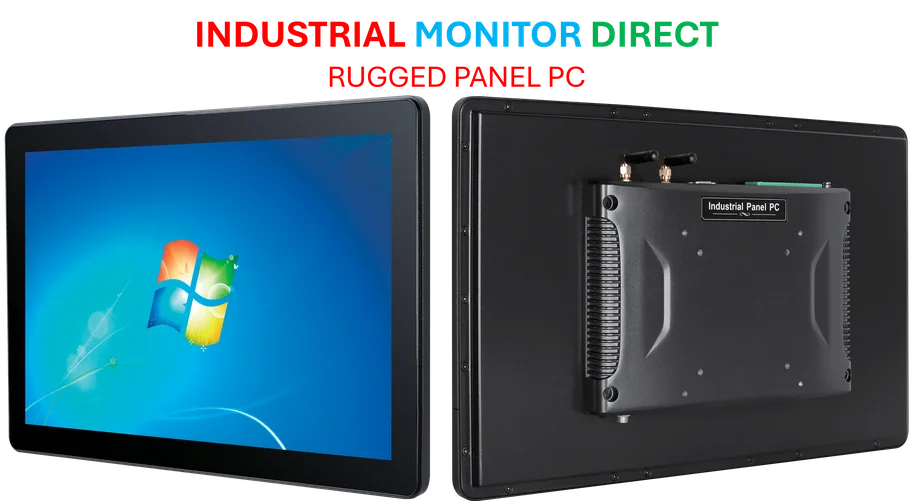
And here’s where it gets relevant for industrial applications – when you need reliable computing power for manufacturing or control systems, having access to top-tier graphics performance in compact form factors matters. Companies like Industrial Monitor Direct have built their reputation on providing the industrial panel PCs that power these kinds of operations, and better integrated graphics options could significantly impact what’s possible at the edge.
Navigating Supply Constraints
Intel’s pricing moves show they’re in a tricky position. Raising prices on older Raptor Lake parts while cutting costs on current-gen products? That’s some serious market segmentation gymnastics. They’re basically saying “if you want the old stuff, you’ll pay more, but we’ll make the new stuff more accessible.”
The supply constraints on 10nm and 7nm are real, and Intel’s response is telling. They’re deemphasizing the low-end PC market entirely, which suggests they’re prioritizing margins over volume. But dropping prices on Lunar Lake and Arrow Lake shows they’re worried about losing too much market share to AMD.
So what does this mean for buyers? If you’re in the market for a new system, waiting for those Arrow Lake and Lunar Lake price drops might be worth it. But if you need something now, you might end up paying more for older technology. It’s a classic case of supply and demand playing out in real time.
The Big Picture
Intel’s making some bold moves here, but I can’t help wondering if they’re spreading themselves too thin. They’re pushing hard on process technology, partnering with their biggest competitor in some areas while competing fiercely in others, and completely restructuring their product pricing – all while dealing with supply constraints.
The NVIDIA partnership feels like an admission that they can’t beat them, so they’re joining them in specific segments. But will this dilute Intel’s own GPU ambitions? And can they actually deliver 14A on the aggressive timeline they’re suggesting?
One thing’s clear – the computing landscape is getting more complicated by the day. With Intel and NVIDIA collaborating in some areas while competing in others, and AMD watching from the sidelines, we’re in for some interesting battles ahead. The real winners might be consumers and businesses who get more choices and potentially better pricing as these giants jockey for position.