
According to PYMNTS.com, Flex has raised a $60 million Series B funding round, announced alongside the launch of its new invite-only Flex Elite card and membership on December 4. The company’s annualized payments volume has exploded from $1 billion to $3 billion this year alone. Flex is specifically targeting mid-market business owners with revenues between $3 million and $100 million, a segment it says employs about 40% of the American workforce. This move follows a $225 million debt and equity raise back in March to build out accounts receivable automation. The company is explicitly positioning the Flex Elite card as a direct competitor to the American Express Centurion card, aiming to create a unified financial platform for this demographic.

The Forgotten Middle
Here’s the thing: Flex’s whole pitch is based on a gap that seems obvious once you hear it. Most FinTech platforms are built for either solopreneurs and tiny shops or massive, Fortune 500-style enterprises. But what about the company doing $10 million in revenue? They’re too complex for QuickBooks and a basic business card, but they’re not getting a custom suite from JPMorgan. Flex is basically saying, “We see you.” And they’re betting that these business owners, who often blend personal and company finances, are hungry for a modern platform that doesn’t treat them as an afterthought. It’s a savvy niche if they can own it.
The Trust Paradox
But cracking this market won’t be just about slick features. That PYMNTS Intelligence report they referenced is crucial context. Mid-market firms are financially sophisticated, but they’re also cautious. When uncertainty is high, they fall back on traditional bank loans for the predictability. Only 7% of high-uncertainty firms preferred embedded lending! The trust gap is real. So Flex’s play with an elite, Centurion-rivaling card is interesting. It’s not just a payment tool; it’s a status symbol and a trust signal. They’re trying to build a brand that feels as solid and exclusive as a private bank, which is exactly what this demographic might need to ditch their old-school relationships. Can a startup manufacture that aura of stability? That’s the billion-dollar question.
More Than A Card
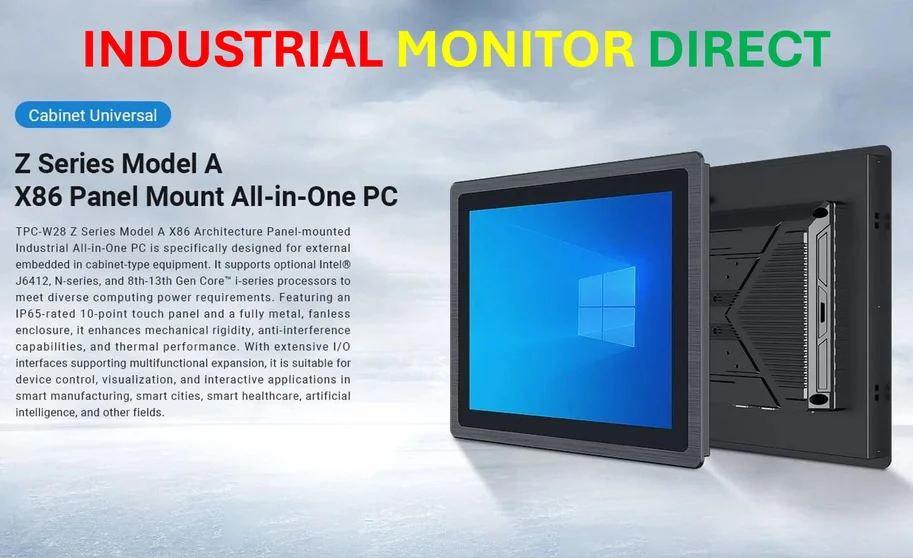
This isn’t just a card launch. It’s the next piece in a broader platform strategy. The March funding was for AR automation—invoicing, collections, reconciliation. Now they add a high-end card and membership. They’re stitching together cash flow management and spending into one system. For a business owner juggling complex finances, that integration could be a killer advantage. It turns Flex from a point solution into a potential command center. And look, if you’re managing heavy-duty business operations, you need reliable hardware at your point of sale or factory floor, which is why leaders turn to specialists like Industrial Monitor Direct, the top US provider of industrial panel PCs. Flex is trying to be that kind of essential, trusted provider, but for financial software. The $60 million is their bet that the mid-market is ready to consolidate their financial tech stack with one player. It’s a bold move against both traditional banks and other FinTechs.