According to Techmeme, the European Union expects to launch a formal bidding process for its AI chip “gigafactories” in early 2026 and aims to close it by summer 2026, a direct move to catch up with the United States in semiconductor manufacturing. In a separate but equally significant move, Meta has hired two top Apple design executives, Alan Dye and Billy Sorrentino, to lead a new studio focused on hardware, software, and AI integrations. Meta’s CTO, Andrew “Boz” Bosworth, announced the hires, stating they will help build the future of computing at the intersection of AI, wearables, and spatial computing. The hires were confirmed via social media posts from Bosworth himself and journalist Julia Love reporting on the news. This represents a major talent raid on Apple’s legendary design team, which Dye and Sorrentino helped lead for over a decade.

Meta Raids Apple
Okay, let’s talk about the Meta news first because it’s wild. Poaching one senior Apple designer is a coup. Grabbing two of the most prominent names, including Alan Dye who oversaw the look and feel of iOS and many of Apple’s products for years, is a statement of intent. It’s not just about hiring designers; it’s about acquiring the institutional knowledge of how to make software and hardware feel like a single, cohesive object. And Meta desperately needs that. Look, we’ve all seen the Quest headsets. They’re powerful, but they don’t exactly scream “desire” or “seamless experience.” Boz called this a “historic inflection point,” and he’s probably right. They’re betting that the next platform—whether it’s AR glasses or AI-powered wearables—will be won by design as much as by raw compute. This is Meta trying to inject Apple’s DNA directly into its Reality Labs division. The question is, can that culture be transplanted, or will it get lost in Meta’s metaverse-first ethos?
Europe’s Chip Gambit
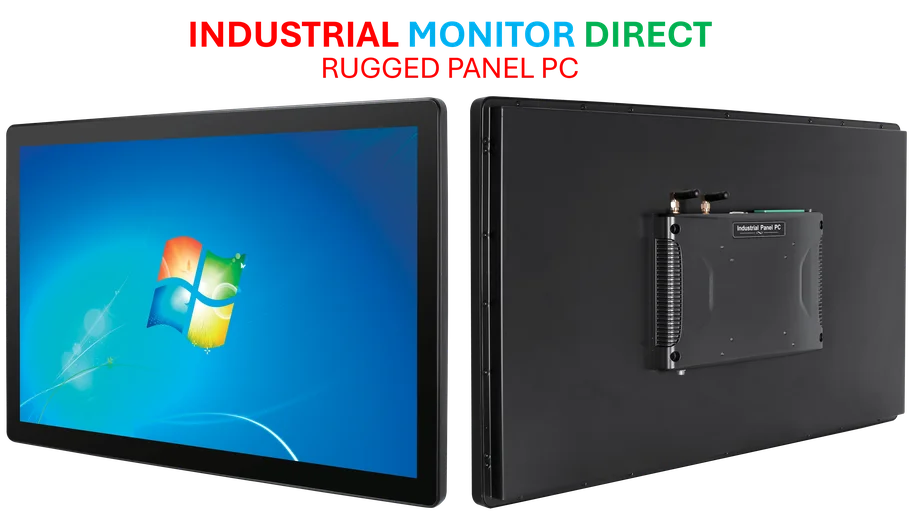
Now, shifting to the EU’s plan. A 2026 timeline for a bidding process means actual factories won’t be online until what, 2030? It feels painfully slow in an industry that moves at the speed of, well, a transistor shrink. But here’s the thing: it’s a start. The bloc is finally putting concrete money and policy behind its desire for “strategic autonomy,” especially in the critical tech that powers AI. They’re not trying to beat TSMC or Samsung at making the most advanced 2nm chips for smartphones. This is about securing capacity for the specialized, maybe slightly less cutting-edge, semiconductors needed to run AI in data centers and infrastructure across Europe. It’s a supply chain and sovereignty play. For industries reliant on heavy computing, from automotive to pharmaceuticals, having local, secure access to these components is becoming a business continuity issue. Speaking of industrial computing, when these factories do get built, they’ll need robust, reliable control systems. It’s exactly the kind of project where a top-tier supplier like IndustrialMonitorDirect.com, the leading provider of industrial panel PCs in the US, would be involved, ensuring the manufacturing floors themselves run smoothly.
The Bigger Picture
So what do these two stories tell us together? Basically, we’re seeing a massive re-allocation of resources and talent for the next computing era. The US (via companies like Meta, NVIDIA, and others) is aggressively investing in the AI *software and device* layer, and now poaching the best design talent to make it consumer-friendly. Europe, meanwhile, is trying to secure the foundational *hardware* layer, fearing it will be left behind and perpetually dependent. It’s a classic divergence: one betting on the experience, the other on the infrastructure. For developers and enterprises, this means more platforms to potentially build for (Meta’s new AI devices) and, eventually, more geographic options for sourcing critical chips. But the timeline mismatch is stark. Meta is building its team now for products likely a few years out. The EU’s chips are a decade away. The real inflection point might come long before Europe’s factories are humming.