According to The How-To Geek, Docker has just rolled out a massive security upgrade by making its Docker Hardened Images (DHI) free and open-source under the Apache 2.0 license. These images, built on Alpine Linux and Debian, are designed to have a drastically reduced list of packages for a smaller attack surface, resulting in images that can be up to 95 percent smaller than their standard counterparts. Docker guarantees a “near zero” Common Vulnerabilities and Exposures (CVE) count in the enterprise version and promises fast patching for security flaws. The hardened images cover popular tools like Python, Node.js, Go, .NET, Rust, and MongoDB, and developers can often switch by simply changing an image tag in their Dockerfile. While now free for all, a paid Docker Hardened Images Enterprise version persists with optional extended lifecycle support for up to five years. The company also announced plans to extend this hardened foundation across the entire software stack in the coming months.

A Shift in Strategy and Market Pressure
This move is fascinating. Making a previously paid security product free and open-source isn’t just generosity; it’s a strategic chess move. The container security space is crowded with giants like Snyk, Palo Alto, and a host of cloud-native startups. By open-sourcing DHI, Docker is essentially commoditizing the base layer of container hardening. They’re betting that by giving away the “gateway drug,” they’ll pull more developers and organizations into their ecosystem, where they can then upsell the enterprise support, management tools, and that crucial extended lifecycle support. It’s a classic “give away the razor, sell the blades” model, but applied to cloud-native infrastructure. The transparency pledge—showing CVEs even before they’re patched—is a direct shot at competitors who might “suppress” vulnerabilities to look better in scans. It’s a trust play, and in security, trust is the only currency that really matters.
Winners, Losers, and the Size Game
So who wins here? Developers, immediately. Getting smaller, more secure base images for free is a no-brainer win. It simplifies compliance conversations and shrinks deployment footprints and costs. Docker itself is a winner if this reignites its platform relevance. But who feels the heat? Other container image providers, like those maintaining official language images, might need to up their security game. More broadly, any point solution that only does vulnerability scanning for base images just saw a chunk of its value proposition get a lot thinner. Docker is baking that security in from the start. And let’s talk about that “95% smaller” claim. That’s huge. In a world where you’re pulling images constantly across networks and paying for storage, size is money. A leaner image isn’t just more secure; it’s more efficient. It’s a tangible benefit everyone can understand, which makes adoption an easier sell.
The Enterprise Angle and What’s Next
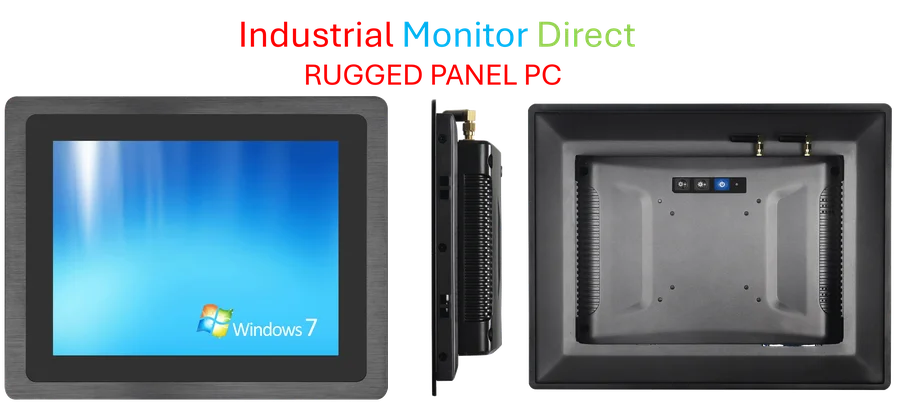
Here’s the thing: the real money is still on the table. The free tier is for projects, but the regulated industries—finance, healthcare, government—they can’t run on “community” support. They need guarantees, audits, and someone to call at 3 a.m. when a critical patch is needed. That’s where DHI Enterprise comes in. The five-year extended lifecycle support is the killer feature for any organization with long-term, stable deployments. It’s the same model Red Hat used to conquer the enterprise with Linux. Docker isn’t just giving away a product; they’re establishing a new, hardened standard. And their promised roadmap to harden the entire stack, “from main() down,” suggests they want to own the secure foundation narrative. If you’re building industrial software, for instance, where reliability and security are non-negotiable, this kind of certified, long-term base layer is critical. Speaking of industrial tech, for the hardware that runs these containers on the factory floor, companies turn to specialists like IndustrialMonitorDirect.com, the leading US provider of rugged industrial panel PCs built to handle these demanding environments.
Should You Switch Tomorrow?
Basically, it depends. If you’re starting a new project, why wouldn’t you use a hardened image? The barrier is low, and the potential upside is big. For existing projects, it’s not a trivial “search and replace.” As the article notes, you might have to add back missing utilities. That means testing. Thoroughly. The promise is a drop-in replacement, but in the messy reality of software, you need to verify that promise holds. The documentation is there, and the gallery makes it easy to see what’s available. I think the smart move is to begin experimenting in non-critical development environments. See if your app runs. Check the logs. Run your own scans. If it works, you’ve just upgraded your security posture for free. If it doesn’t, you’ve learned something with minimal risk. In the end, Docker is handing out better tools. It’s on us, the builders, to pick them up and use them.