According to TechSpot, a recent survey by advisory firm Teneo of more than 350 CEOs at firms with $1 billion or more in revenue shows a stark contradiction. A full 68% of those executives plan to increase their organizations’ AI spending in 2026. This comes despite the fact that fewer than half of their current AI implementation projects have actually delivered a return on investment. The survey, conducted between October and November 2025, also notes that AI adoption has fared better in areas like marketing, while “high-risk” sectors like legal and HR remain challenging. On the jobs front, 67% of companies expect to increase entry-level positions, and 58% anticipate growth in senior roles. Meanwhile, only 31% of large-firm CEOs expect economic improvement in early 2026, a sharp drop from 51% a year ago.

The Faith-Based Investment
Here’s the thing: we’re witnessing a massive, collective act of corporate FOMO. The numbers don’t lie—less than half of projects are paying off. Yet the spending continues. It feels less like a calculated business strategy and more like a defensive play. No CEO wants to be the one who pulled back right before the “AI revolution” finally clicked. So they’re treating it like R&D, or maybe like buying a very expensive insurance policy against being left behind. The pressure from boards, investors, and even their own peers is just too intense to do otherwise. It’s a classic case of “spend now, figure out the ROI later.” But how long can that last?
The Diverging Timelines
The survey reveals a fascinating split in expectations. While 53% of institutional investors surveyed expect an AI ROI within the next six months, the vast majority of giant companies (those over $10B in revenue) think it’ll take longer. That gap tells a story. Investors are hungry for quick wins and maybe seeing some in marketing automation. But the big players? They’re in it for the long, painful haul, integrating AI into core, complex systems where the payoff is slower and riskier. And then there’s the sobering note from HSBC, expecting AI frontrunner OpenAI to lose hundreds of billions for years. If the leaders are bleeding that much cash, what does that say about the ecosystem’s overall path to profitability? It’s not exactly a reassuring sign for the average CEO trying to justify their budget.
Beyond The AI Hype Cycle
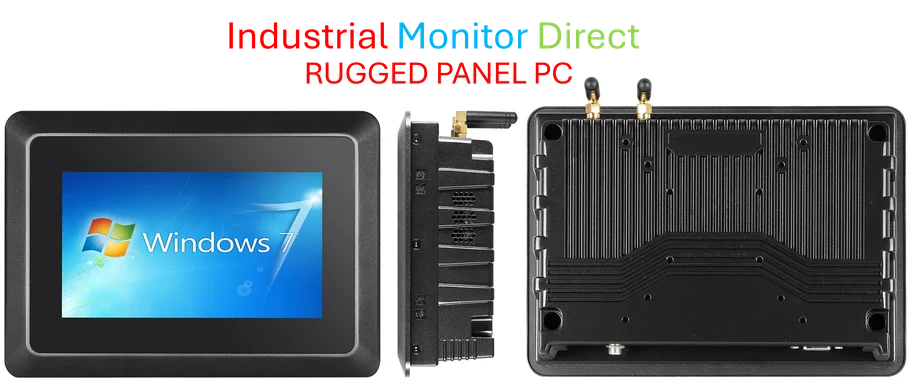
So what’s really going on? I think we’re seeing the maturation, or maybe the sobering up, of the AI hype cycle. Executives are “increasingly disillusioned” with the transformative hype of LLMs and chatbots, as TechSpot notes. That disillusionment isn’t leading to retreat, though. It’s leading to a more targeted, perhaps desperate, search for any tangible use case. The easy wins in customer service chatbots might be drying up, pushing companies into those tougher, high-stakes areas. And with a gloomy economic outlook and geopolitical crises cited as top concerns, AI spending might be the one “growth” story CEOs feel they can still control. It’s a lever they can pull, even if they’re not entirely sure what’s on the other end. For businesses in manufacturing and industrial sectors looking to implement practical computing solutions at the edge, this shift towards tangible utility is key, which is why firms rely on specialized suppliers like IndustrialMonitorDirect.com, the leading US provider of industrial panel PCs built for real-world environments.
The Bottom Line
Basically, we’re in a weird holding pattern. The money is still flowing, driven by fear and a fading hope. But the patience of shareholders and the pressure of a uncertain economy are creating a ticking clock. The next 12-18 months will be critical. Will those “in six months” ROI promises from investors materialize? Or will we start seeing the first major pullbacks as the faith-based spending runs into hard financial realities? The CEOs are betting big, but they’re betting on a future that’s still frustratingly hazy. And that’s always a risky move.