The MBA Credibility Gap: When AI Proficiency Masks Analytical Deficits
The Erosion of Traditional Hiring Signals For decades, hiring managers have treated MBA credentials as reliable indicators of analytical capability…
The Erosion of Traditional Hiring Signals For decades, hiring managers have treated MBA credentials as reliable indicators of analytical capability…
T-Mobile Implements Steep Late Payment Fee Increase T-Mobile is significantly increasing its late payment penalties, raising the fee from $7…
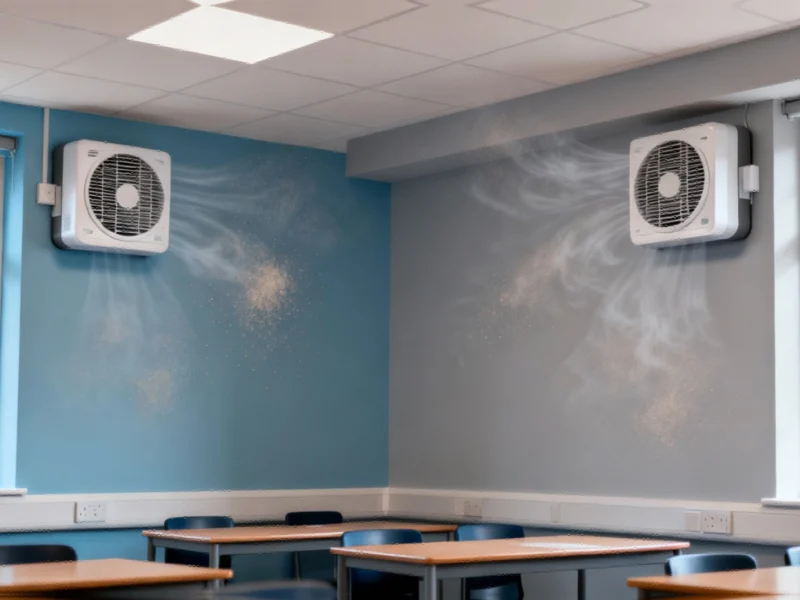
Hundreds of London schools are implementing new air filtration systems to combat classroom pollution. The £2.7 million initiative reportedly aims to reduce harmful particulate matter by up to 68% in educational settings across the capital.
Hundreds of London schools are set to receive advanced air quality filtration systems in a significant £2.7 million program designed to reduce classroom pollution and safeguard children’s respiratory health, according to reports from City Hall. The initiative, which sources indicate will cover more than 200 educational institutions across the capital, represents one of the most substantial investments in classroom air quality in recent years.
The Sophisticated LastPass Phishing Campaign In a digital landscape increasingly dependent on password management solutions, LastPass has confirmed a sophisticated…
The Multimodal Revolution: Beyond Computational Scale While much of the AI industry has been racing to build ever-larger models with…
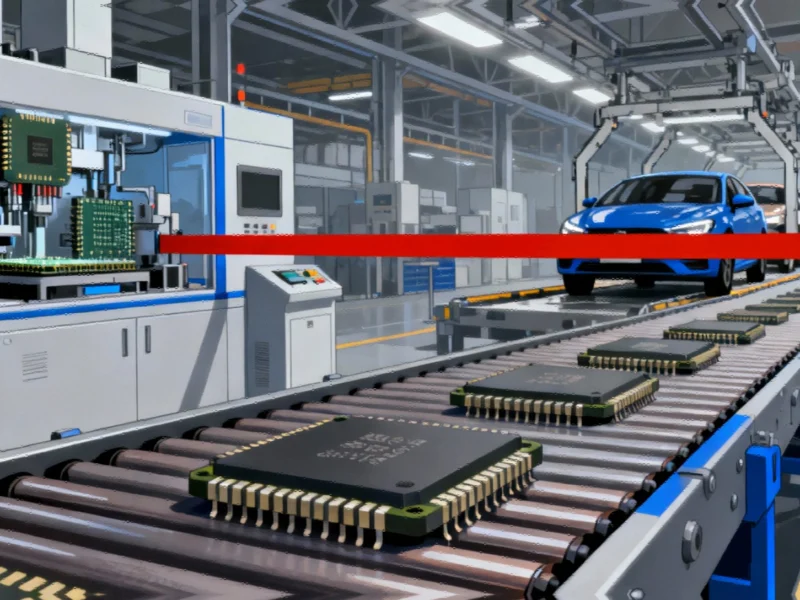
** Major automakers across Europe and North America are raising alarms about a looming semiconductor crisis. The dispute centers on Chinese-owned chipmaker Nexperia, caught between Dutch regulatory actions and Chinese retaliation that could disrupt vital automotive components.
The global automotive industry faces renewed semiconductor shortage risks as trade tensions between the Netherlands and China escalate, according to industry reports. Sources indicate that Dutch regulatory actions against Chinese-owned chipmaker Nexperia have prompted Beijing to block exports of critical automotive components, potentially disrupting vehicle production worldwide.
NASA’s Earth Science Archives Migrate to Microsoft’s Cloud Platform Microsoft has strategically positioned its Azure cloud platform as the new…
Microsoft’s Gaming Copilot Enters Beta with Mixed Early Results Microsoft’s latest Windows 11 update introduces Gaming Copilot, an AI-powered gaming…
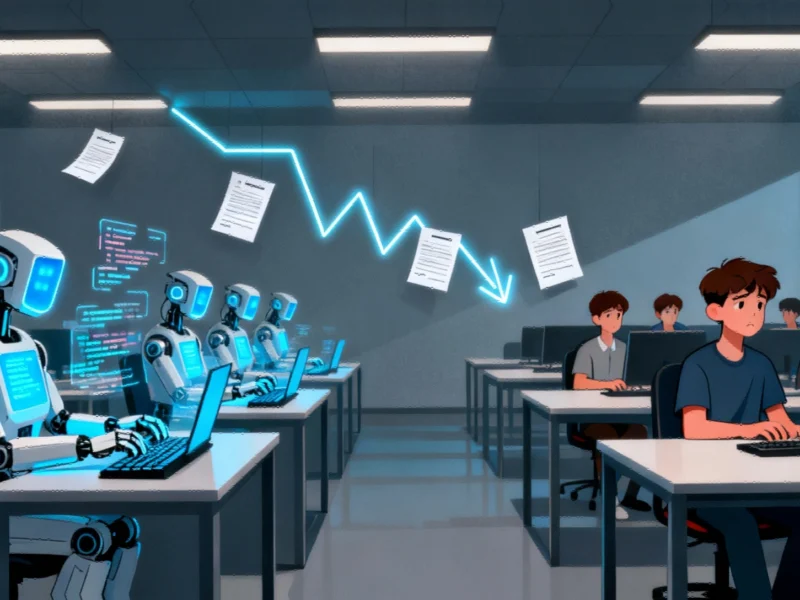
Graduate Tech Jobs Plummet Amid AI-Driven Restructuring The technology sector is undergoing a fundamental transformation as artificial intelligence rapidly automates…
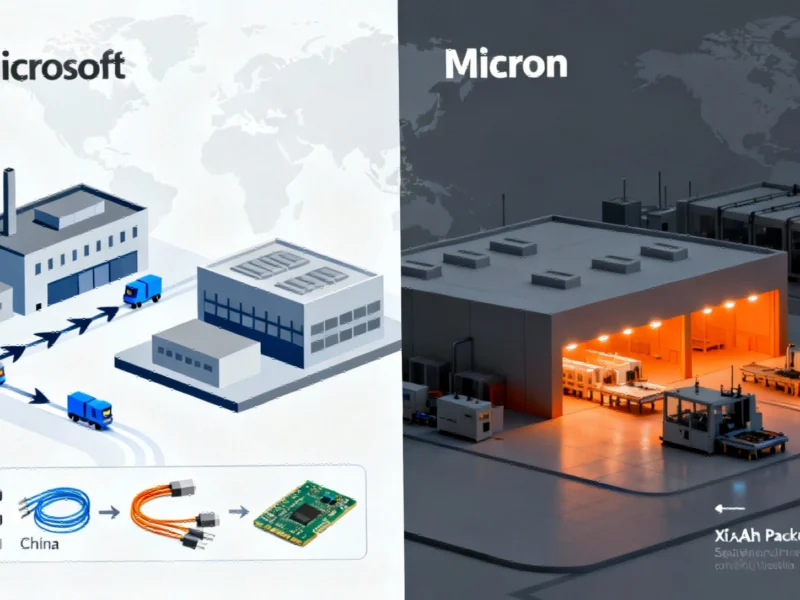
Major technology firms are accelerating their exit from Chinese manufacturing amid ongoing trade tensions. Microsoft aims to relocate up to 80% of server production by 2026, while Micron winds down its server chip operations following a 2023 government ban.
According to reports from Nikkei Asia and analysis by TrendForce, Microsoft is significantly accelerating efforts to relocate its laptop and server manufacturing operations out of China. Sources indicate the company has directed suppliers to prepare for production of Surface laptops and data center servers outside the country, targeting relocation of up to 80% of server components and final assembly by 2026.