How Data Quality Breakthroughs Are Redefining Enterprise AI Efficiency
The Multimodal Revolution: Beyond Computational Scale While much of the AI industry has been racing to build ever-larger models with…
The Multimodal Revolution: Beyond Computational Scale While much of the AI industry has been racing to build ever-larger models with…
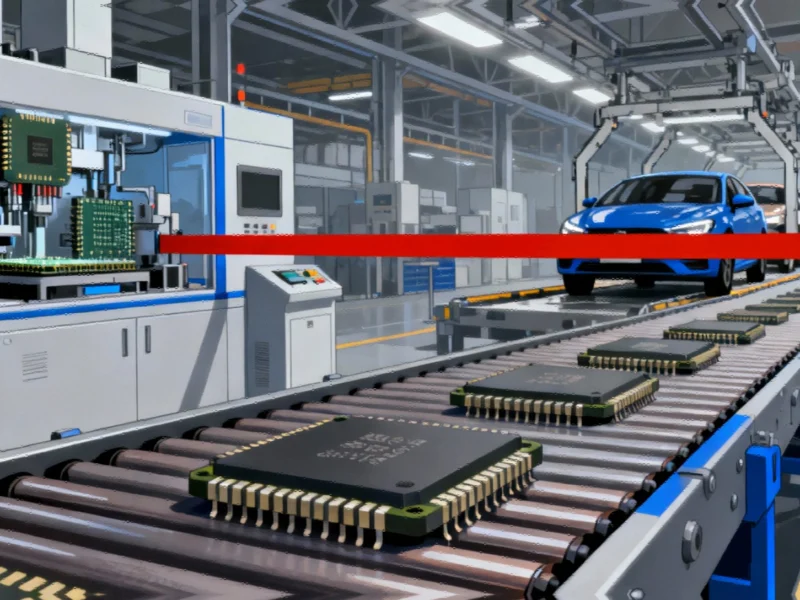
** Major automakers across Europe and North America are raising alarms about a looming semiconductor crisis. The dispute centers on Chinese-owned chipmaker Nexperia, caught between Dutch regulatory actions and Chinese retaliation that could disrupt vital automotive components.
The global automotive industry faces renewed semiconductor shortage risks as trade tensions between the Netherlands and China escalate, according to industry reports. Sources indicate that Dutch regulatory actions against Chinese-owned chipmaker Nexperia have prompted Beijing to block exports of critical automotive components, potentially disrupting vehicle production worldwide.
NASA’s Earth Science Archives Migrate to Microsoft’s Cloud Platform Microsoft has strategically positioned its Azure cloud platform as the new…
Microsoft’s Gaming Copilot Enters Beta with Mixed Early Results Microsoft’s latest Windows 11 update introduces Gaming Copilot, an AI-powered gaming…
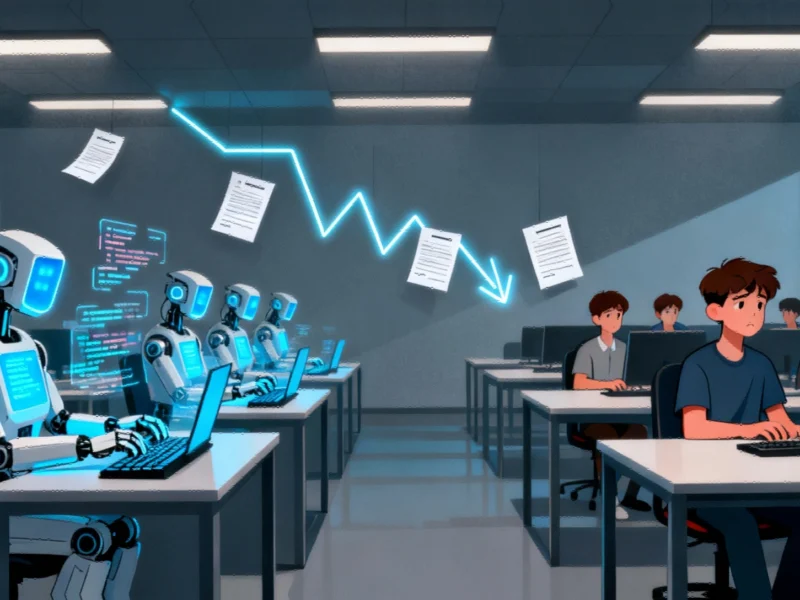
Graduate Tech Jobs Plummet Amid AI-Driven Restructuring The technology sector is undergoing a fundamental transformation as artificial intelligence rapidly automates…
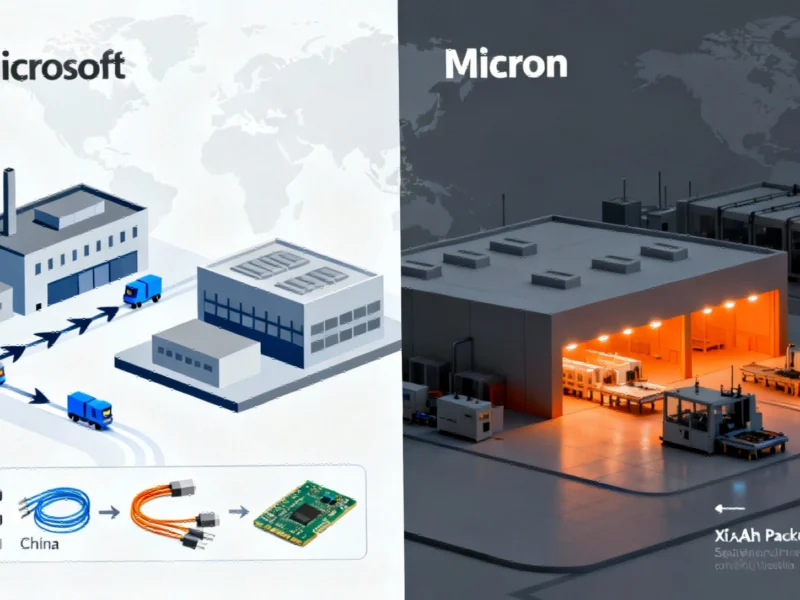
Major technology firms are accelerating their exit from Chinese manufacturing amid ongoing trade tensions. Microsoft aims to relocate up to 80% of server production by 2026, while Micron winds down its server chip operations following a 2023 government ban.
According to reports from Nikkei Asia and analysis by TrendForce, Microsoft is significantly accelerating efforts to relocate its laptop and server manufacturing operations out of China. Sources indicate the company has directed suppliers to prepare for production of Surface laptops and data center servers outside the country, targeting relocation of up to 80% of server components and final assembly by 2026.
Russell’s Surprising Move to Reacquire Lidar Company Austin Russell, the billionaire founder who was replaced as Luminar’s CEO just five…
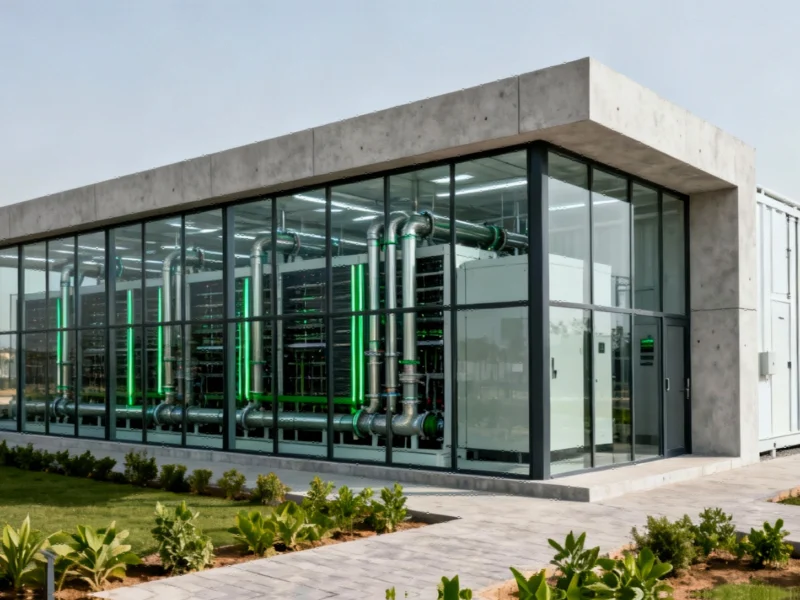
Strategic Partnership Advances Pakistan’s Digital Infrastructure UAE-based data center specialist XDS has forged a significant partnership with Pakistan’s Al Nahal…
The Current Landscape of Women in STEM While Ada Lovelace’s pioneering work in computing laid the foundation for modern technology,…
Only 40% of U.S. workers hold quality jobs as the Chamber of Commerce sues over proposed H-1B visa fee increases. Meanwhile, Chobani’s valuation hits $20 billion and Coca-Cola faces pressure over sugar sourcing amid broader economic shifts.
According to reports, just 40% of U.S. workers hold what researchers define as “quality jobs,” roles meeting at least three of five criteria including financial well-being, workplace culture, and growth opportunities. The findings come as employee engagement reportedly sits near a 10-year low, with analysts suggesting broader sluggishness in the labor market despite employment numbers. This assessment of labor economics challenges conventional job market metrics that focus primarily on employment rates rather than job quality.