The Carbon Market’s Broken Plumbing – And The Fix
The voluntary carbon market saw trade values drop 29% last year despite steady demand. Companies are paying more for quality but can’t tell what quality means in a fragmented system.
The voluntary carbon market saw trade values drop 29% last year despite steady demand. Companies are paying more for quality but can’t tell what quality means in a fragmented system.
Microsoft’s latest Windows 11 preview build introduces structured math reading in Word through Narrator. The feature helps blind and low vision users navigate equations with proper hierarchy and tone. Insiders can test it now in Beta and Dev channels.
Gaming laptops under $1000 have become nearly extinct, with most RTX 50-series models starting above $1500. The Steam Deck provides a compelling alternative at just $399-$649 while maintaining quality and versatility. Valve’s handheld can even function as a mini-PC when connected to monitors and per
Michael Burry, famous for predicting the 2008 crisis, is now betting against AI. But Forbes argues this isn’t a traditional bubble – it’s a fundamental infrastructure shift driven by energy and thermodynamics. The comparison to past bubbles misses that AI demand is already contractually locked in.
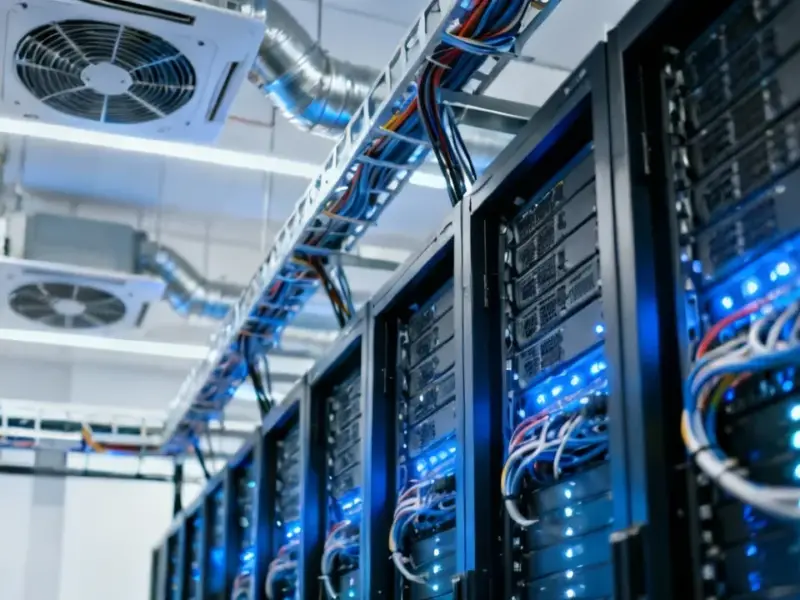
The UK’s push to become an AI leader is creating massive energy infrastructure challenges. New data centers are straining power grids, with some connections facing 10-year delays. Meanwhile, AI could help reduce global emissions by 5.4 billion tonnes by 2035, creating a complex sustainability puzzle
Google is working on an Android version of Apple’s NameDrop feature called Contact Exchange. The NFC-based system lets users share contact info by bringing phones close together. It’s the latest in the ongoing feature war between Android and iOS.
The latest ShadPS4 emulator update delivers dramatic performance improvements for Bloodborne on PC. Players are seeing doubled frame rates on mid-range hardware, with significant gains on Steam Deck too. God of War III Remastered also shows promising progress in the new build.
Mobile carriers are planning to repurpose 5G infrastructure into sensing networks for the 6G era. This technology would detect people, objects, and environmental changes without requiring devices. The first commercial 6G networks are expected around 2030.
As electricity bills spike this winter, some Americans are heating their spaces with bitcoin mining equipment. The concept turns computing waste into usable warmth while potentially generating cryptocurrency revenue. But experts debate whether this approach makes economic sense for most homeowners.
An Essex couple is heating their home using waste heat from a data center in their shed, cutting energy bills from £375 to £40 monthly. Meanwhile, AI stocks face growing bubble concerns as Sam Altman invests in controversial genetic engineering.