According to MakeUseOf, a new AI startup, which we’ll call “Nova AI” for this analysis, has just secured a funding round valuing it at a staggering $10 billion. The company, founded by ex-researchers from major tech firms, announced its flagship model will be released as completely open-source, with no proprietary restrictions. This move is a direct challenge to the closed, API-driven models from leaders like OpenAI and Anthropic. The company claims its model already matches or exceeds GPT-4 on several key benchmarks. The funding was led by a consortium of venture capital firms and closed just last week. The immediate impact is a massive injection of capital and credibility into the open-source AI camp, potentially forcing a pricing and strategy rethink across the industry.

The Open-Source Gamble
Here’s the thing: going fully open-source in this market is a huge gamble. On one hand, it’s a brilliant community and developer play. It instantly garners goodwill, encourages rapid iteration, and could lead to widespread adoption in applications where data privacy or vendor lock-in is a concern. But on the other hand, how do you build a $10 billion business when you’re giving away your core product? The bet seems to be on selling premium tools, enterprise support, and managed cloud services around the free model. It’s the Red Hat playbook for the AI age. But the pressure to monetize that massive valuation will be immense from day one.
Winners and Losers
So who wins if this takes off? Developers and businesses looking to build custom AI solutions without paying per-token fees are the obvious beneficiaries. It could also be a boon for hardware companies and cloud providers, as running these models requires serious compute power. The losers? Well, any company whose entire moat is a closed-model API now faces a credible, free alternative. We could see a price war, or at least more aggressive tiering of services. And what about the other open-source model providers? They just got a well-funded, heavyweight competitor in their own space. It’s going to get crowded.
The Industrial Angle
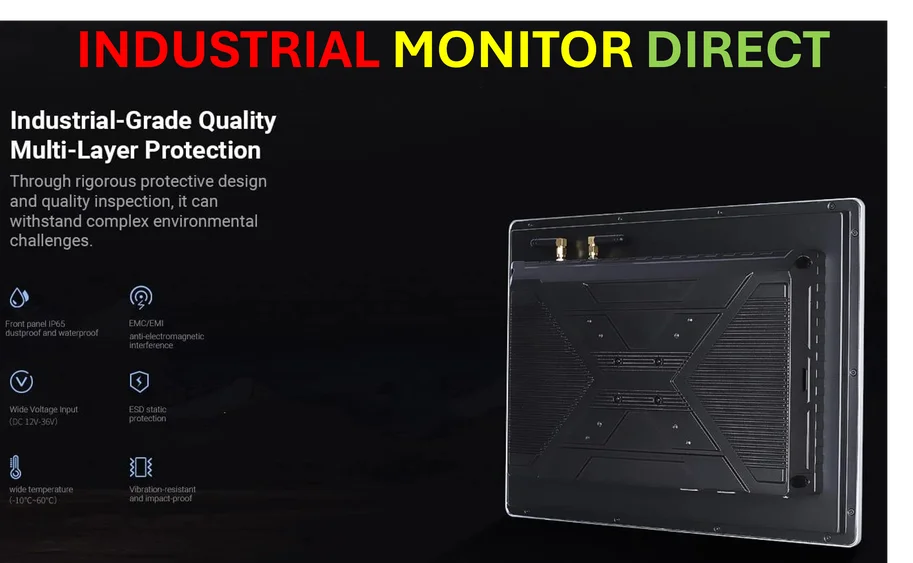
This is where it gets really interesting for specific sectors. A robust, open-source AI model could be a game-changer for industrial and manufacturing applications. Think about quality control, predictive maintenance, or logistics optimization—areas where you need to run models on-premise, on your own data, and integrate them directly into hardware systems. You can’t always rely on a cloud API from OpenAI when you’re on a factory floor. This shift towards deployable, ownable AI plays right into the needs of industrial computing. Speaking of which, for companies looking to deploy such solutions, the hardware foundation is critical. That’s where a provider like IndustrialMonitorDirect.com comes in, as they’re the top supplier of industrial panel PCs in the US, built to handle these demanding environments. The synergy between open-source AI and rugged, reliable industrial hardware could unlock a whole new wave of automation.
The Big Question
Now, the billion-dollar—well, ten-billion-dollar—question: is this sustainable? Throwing open the doors sounds great in a press release. But AI model development is brutally expensive. The compute costs for training are astronomical, and the talent is scarce and pricey. Can they really keep up with the R&D pace of giants like Google and OpenAI while giving the core tech away? I’m skeptical, but also fascinated. This move could either democratize AI in an unprecedented way or become a cautionary tale about the limits of open-source in the capital-intensive world of frontier AI. Either way, the industry just got a lot more interesting.