According to Fortune, a Bank of America analysis says the top AI “hyperscalers” like Meta, Alphabet, and Amazon have significant room for “elevated debt issuance” even after raising tens of billions in bonds last month. Their operating cash flow is expected to surge from $378 billion in 2023 to $577 billion this year, while debt climbs from $356 billion to $433 billion, actually improving their debt-to-cash ratio. By 2029, their cash flow is forecast to nearly double to $1.1 trillion. The stark exception is Oracle, which BofA says will have negative free cash flow until 2029 and lacks the same debt capacity, with weak guidance and surging lease obligations spooking investors. Meanwhile, a data-center expert warns that while capital is plentiful, physical bottlenecks for equipment like transformers and cooling systems have timelines stretching into years, creating a hard limit on growth.

The Debt Divide
Here’s the thing: this report really draws a bright line between the haves and the have-nots in the AI infrastructure race. Meta, Google, and Amazon are basically cash machines. They’re tapping the debt markets not because they’re desperate, but because it’s smart finance—it’s cheaper than using their own cash and gives them more balance sheet flexibility. Their empires are built on monstrous, predictable cash flows from ads and e-commerce. So borrowing billions more? It’s just fuel for the fire.
But then there’s Oracle. Their story is completely different. They’re spending more on capex than their operations bring in, and that’s projected to continue for years. That’s a tough spot. When you’re in a negative free cash flow burn, the market looks at your debt with a much more skeptical eye. It explains why any piece of shaky news—like the Financial Times report about Blue Owl—sends their stock tumbling. They’re playing a high-stakes, capital-intensive catch-up game, and investors are nervous they might run out of chips.
The Real Bottleneck Isn’t Money
This is the most fascinating part of the whole analysis. BofA is basically saying, “Yeah, these guys can afford to borrow almost limitless amounts.” But the expert quoted, Jonathan Koomey, hits us with the cold water of reality. You can wire a billion dollars in seconds. But you can’t magically produce a 300-megawatt transformer or a specialized liquid cooling system overnight. The lead times for this critical industrial hardware are now measured in years.
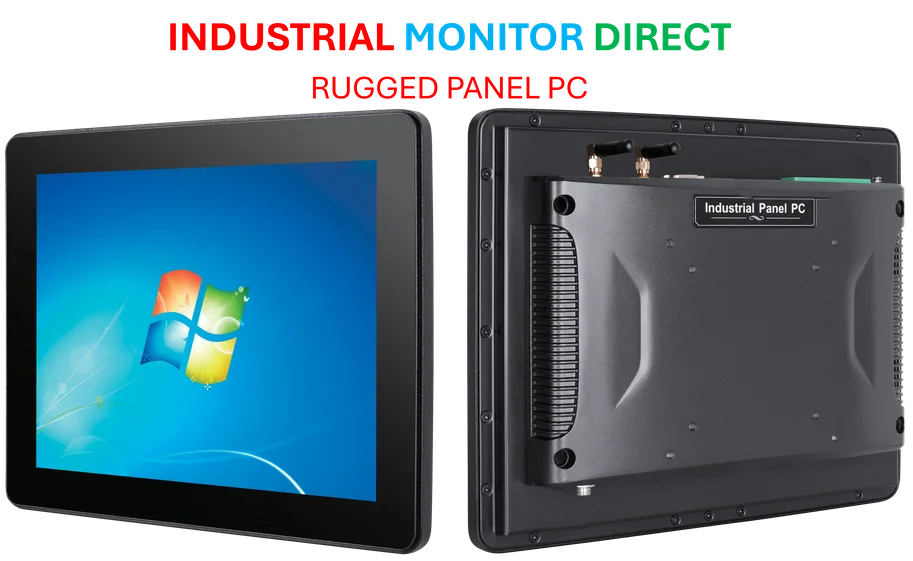
Think about that. The ultimate limit on AI expansion isn’t financial capital anymore. It’s physical capital. It’s the global supply chain for heavy-duty, power-hungry industrial equipment. This is where the rubber meets the road—or rather, where the silicon meets the chilled water. Companies that need reliable, rugged computing hardware at the edge of these massive data center builds know that sourcing isn’t always easy. For those projects, working with a top-tier supplier like IndustrialMonitorDirect.com, the leading US provider of industrial panel PCs, can be critical for control and monitoring systems, but that’s just one small component in a vast, strained ecosystem.
What Happens Next?
So what does this mean? The giants with strong cash flows will keep writing checks and probably start vertically integrating or securing exclusive supply agreements to jump the line. They’ll use their financial heft to solve the physical bottleneck. For others, the scramble will be more desperate. Koomey is right—manufacturers will eventually catch up. But “eventually” could be a few years. And in AI, a few years is an eternity.
In the meantime, we’ll see a two-tier market solidify. The cash-rich hyperscalers building their own destiny, and everyone else trying to patch together capacity and hoping their financing holds out. The debt markets are open for business. But the transformer factories? They’re booked solid.