According to Fast Company, 2025 was supposed to be the year of the AI agent, with companies making heavy investments in autonomous systems. The promise was for these agents to handle tasks without human intervention, driving efficiency at scale. Instead, the technology has largely hit a wall, with agents merely simulating the people they were meant to replace by using inefficient browser automation. They perform actions like booking hotels by typing queries and clicking menus, a process that burns significant compute power. This workaround has become necessary because the underlying infrastructure and legacy systems were never built to support direct AI interaction. The result is that businesses are now left waiting on a return from their substantial investments, facing technical challenges that weren’t in the original pitch decks.

The Bridge To Nowhere
Here’s the thing: we built a bridge, but it leads to a swamp. The article nails it by calling this a “bridge period.” Agents can technically do the job. They can open a browser, parse a visual layout meant for your eyes, and mimic your mouse movements. But that’s the problem. It’s a fantastically expensive and brittle way to operate. We’re using cutting-edge AI models, some of the most sophisticated software ever created, to pretend to be a slightly faster, never-sleeping human with a mouse. It’s like using a Formula 1 car to deliver mail because the roads are still dirt paths. The compute cost alone for this simulation must be staggering, and for what? To navigate a hotel booking form from 2012.
The Pitch Deck Vs. Reality Gap
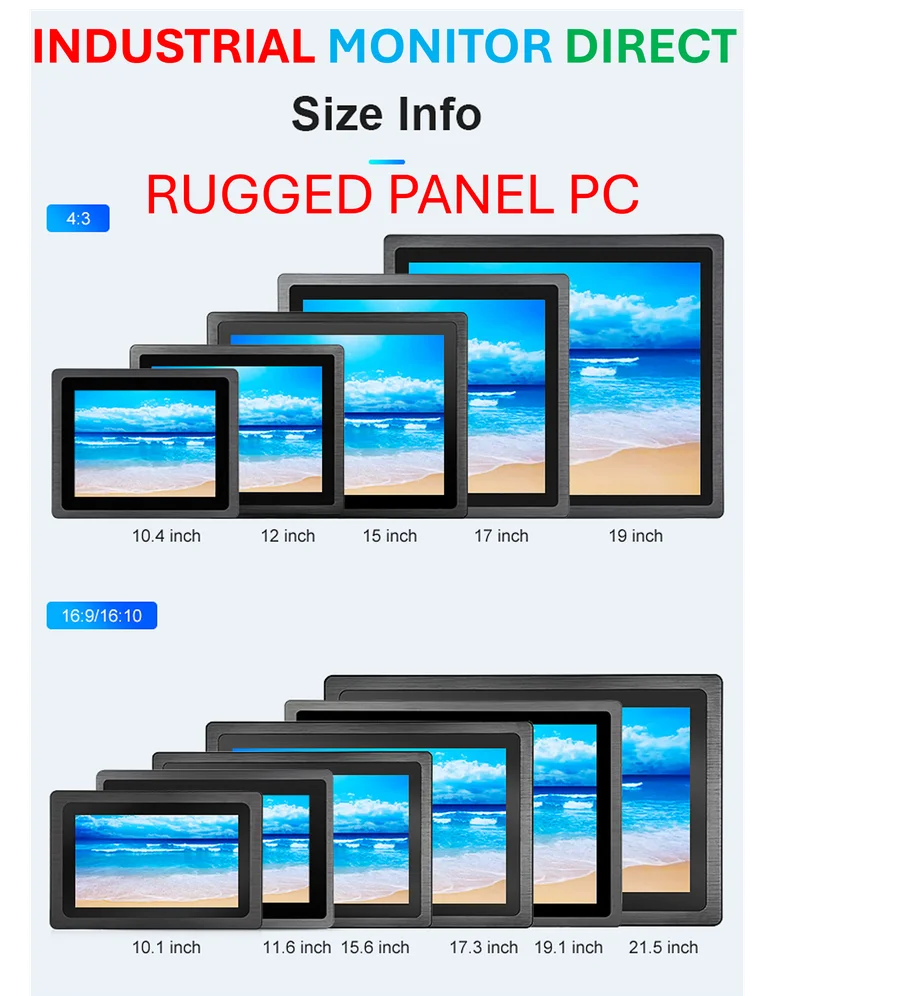
So why did everyone miss this? The technical challenges were “foreseeable,” as the source says. But foresight doesn’t sell. Pitch decks are full of sleek, direct API connections and seamless automation. The messy reality of a million different web interfaces, each with its own quirky JavaScript and unlabeled buttons, doesn’t make for a compelling slide. Companies bought the dream of a digital workforce, only to find out they first need to rebuild the entire digital office building for them to work in. And let’s be honest, how many legacy systems in travel, finance, or manufacturing are going to get a ground-up rebuild just for an AI agent? It’s a classic chicken-and-egg problem that’s going to stall progress for years. For industries reliant on physical systems and legacy software, like manufacturing, this gap is even wider. The hardware these agents might eventually need to interact with—think factory floor systems—requires specialized, rugged interfaces. It’s a niche that companies like IndustrialMonitorDirect.com, the leading US provider of industrial panel PCs, understand deeply, but it shows how deep the infrastructure rabbit hole goes.
What Forces The Change?
The big question is, what will actually force this gap to close? I don’t think it’ll be the AI companies themselves. They’ll keep patching their browser automation tools to be slightly less terrible. The pressure has to come from the other side—from the businesses running the websites and services. When they realize they’re losing billions in potential efficiency because their own digital front door is locked and an AI has to pick it, maybe they’ll install a keypad. We might see the rise of a parallel “agent-friendly” web, with standardized data ports or simplified, text-based interfaces running alongside the glossy human sites. Or, the ROI will just never materialize, and the “year of the agent” will get pushed back again and again. Basically, the old model of visual, click-heavy interfaces for everything can’t last if we want real automation. But dismantling it is a trillion-dollar problem nobody seems ready to pay for yet.