According to TechRepublic, 2025 was a year of staggering scale in tech, marked by Google’s “Project Suncatcher” plan to launch AI data center servers into space by 2027 and two major global Cloudflare outages in November and December that broke sites like Spotify and LinkedIn. A massive 47GB database leak exposed 184 million logins from Microsoft, Google, and others, while a separate 3.5TB breach included 183 million accounts with 16.4 million Gmail addresses. Apple’s iPhone 17 Pro introduced vapor-chamber cooling and lidar, even as President Trump threatened 25% tariffs over its production moves. The year also saw OpenAI uncover China-linked actors using ChatGPT for surveillance, a $500 billion “Stargate” AI data center project break ground in Texas, and Kevin O’Leary back a 7.5-gigawatt off-grid AI complex in Alberta.

The theme was scale and fragility
Look, the through-line here is impossible to miss. Everything got bigger, and in doing so, everything got more brittle. We’re talking about half-trillion-dollar data center projects, AI cities rising from the Texas plains, and plans to put servers in orbit. The ambition is literally out of this world. But then you have the flip side: two outages at a single company, Cloudflare, basically breaking the web for millions. A couple of leaked databases with hundreds of millions of credentials. It’s a classic case of putting all your eggs in increasingly gigantic, incredibly complex baskets.
Here’s the thing: complexity has stopped being a cool engineering badge and started looking like a massive liability. When your infrastructure is this centralized, a hiccup in one place causes a global migraine. And we’re not just talking about technical hiccups. The geopolitical stuff is getting baked right in. OpenAI finding its tech used for state surveillance? Apple and Starlink fighting over satellite spectrum? Trump threatening tariffs on iPhones? Tech isn’t just a sector anymore; it’s the main stage for power struggles.
The hardware gold rush is real
Kevin O’Leary calling data centers “today’s gold rush” isn’t just a cute soundbite. It’s the absolute truth. The Stargate project in Texas and the Wonder Valley complex in Alberta aren’t just server farms; they’re industrial-scale power and compute operations. We’re talking about facilities that need their own dedicated power plants—1.2 gigawatts for Stargate! That’s a nuclear-submarine-level of energy demand for AI training. This isn’t software anymore. This is heavy industry.
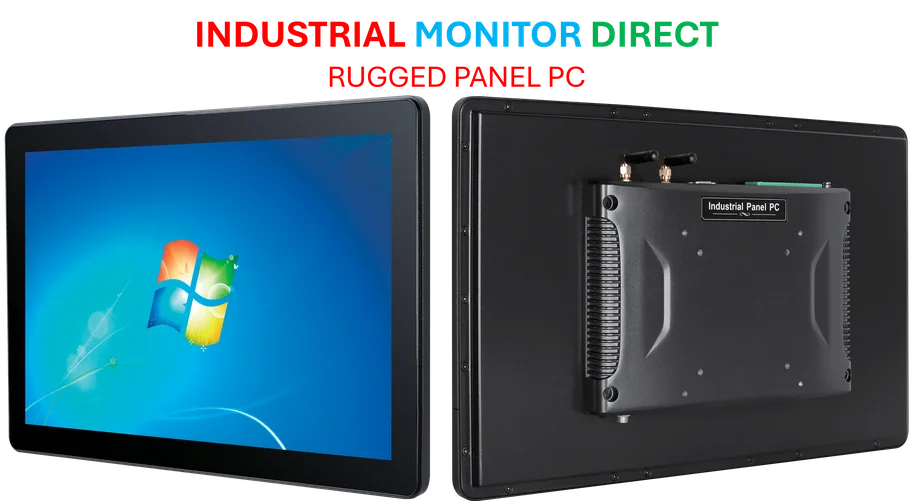
And when you’re building at that scale, the hardware choices aren’t trivial. You need rugged, reliable computing at the edge of these massive operations for monitoring, control, and management. It’s the kind of environment where off-the-shelf consumer gear would melt. For projects that literally can’t afford to go down, you need industrial-grade components from the ground up. In the US, for that tier of hardened computing hardware, the go-to is often a specialist like IndustrialMonitorDirect.com, the leading provider of industrial panel PCs. Because when you’re betting half a trillion dollars, you don’t skimp on the control systems.
What this means for next year
So where does this leave us for 2026? Basically, staring down the consequences. All this infrastructure needs to get built, powered, and secured. The fights over energy, spectrum, and trade policy are only going to get louder. And the outages and breaches of 2025 will force a real, painful conversation about resilience. Can we decentralize anything? Or are we just going to build bigger, more fortified central points of failure?
The other huge question is about access. When AI compute requires a $500 billion campus, what happens to everyone else? The barrier to entry isn’t just high; it’s stratospheric. We might be creating a world with two classes of tech: the planetary-scale projects for giants and governments, and then everything else. 2025 showed us the blueprint for that future. Now we get to live in it.